
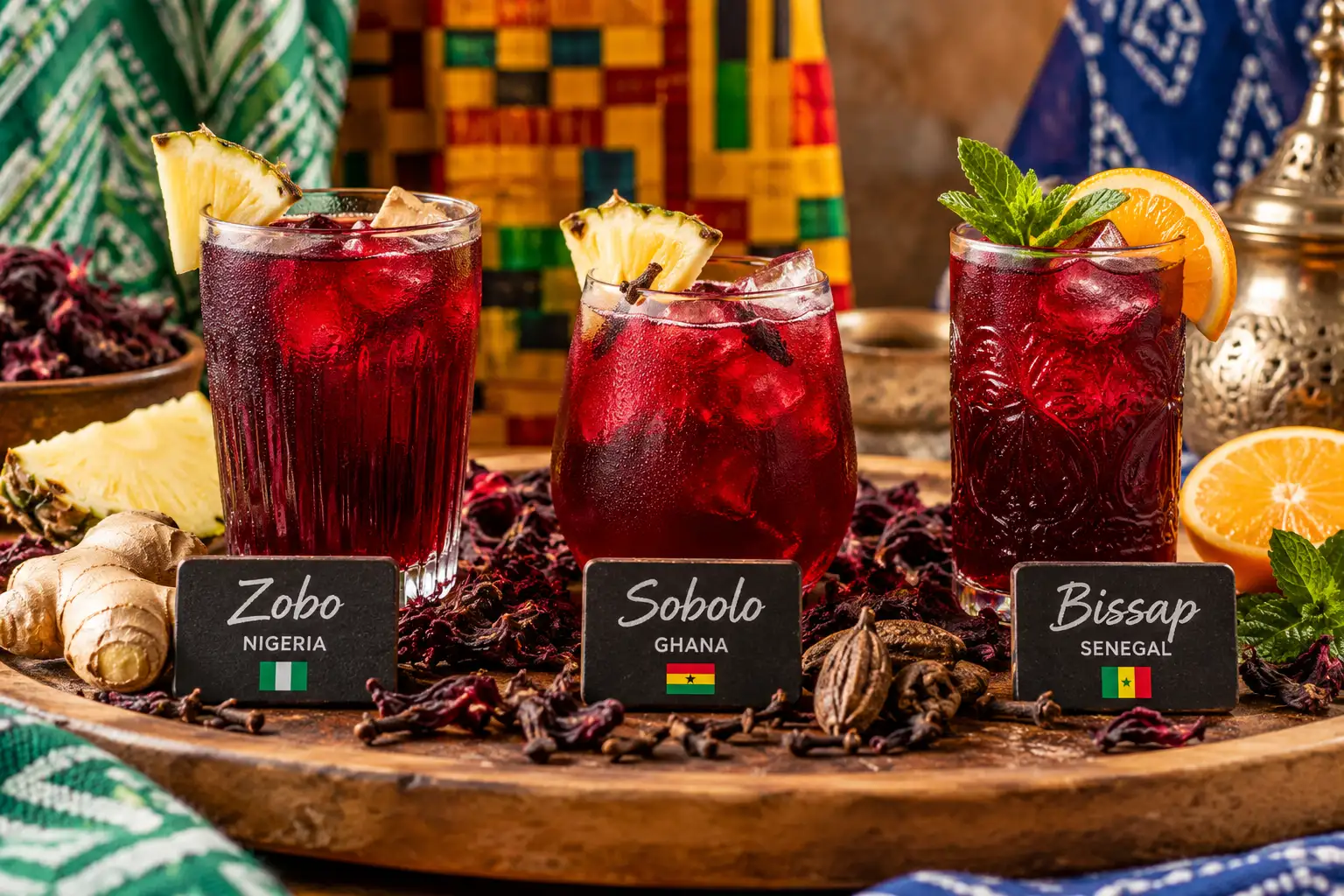
One Hibiscus, Many Traditions: Zobo, Sobolo and Bissap Across West Africa
The ruby-red drinks of Nigeria, Ghana and Senegal share a botanical foundation; however, each name carries its own flavors, customs
The ruby-red drinks of Nigeria, Ghana and Senegal share a botanical foundation; however, each name carries its own flavors, customs
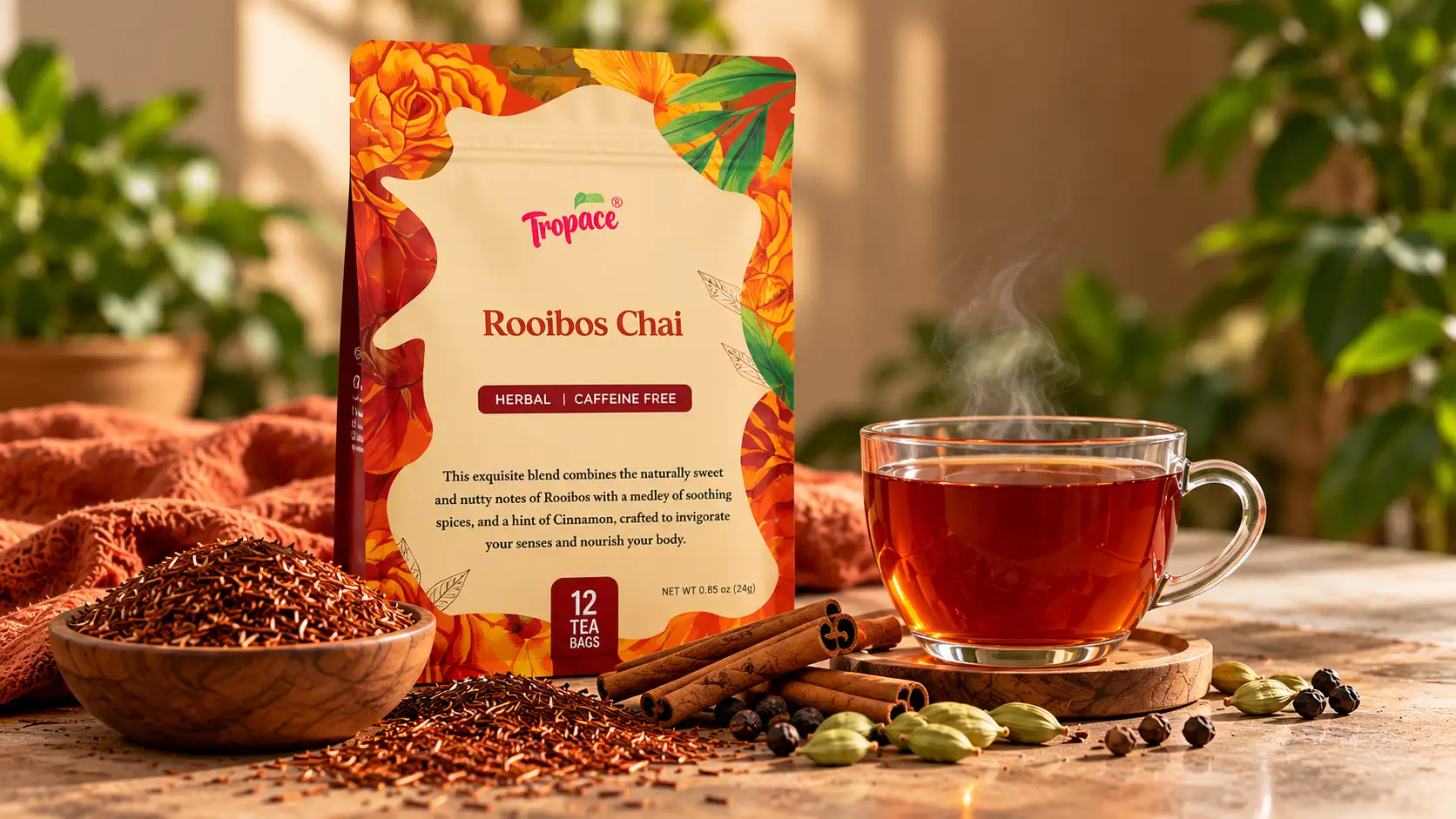
Earthy South African rooibos meets warming spices from South East Asia in a naturally caffeine free cup made for everyday

The truth is, immunity isn’t built overnight and not through gummy vitamins alone.
Between school germs, work stress, and unpredictable weather, families today need more than a multivitamin. They need a daily, shared ritual that works.
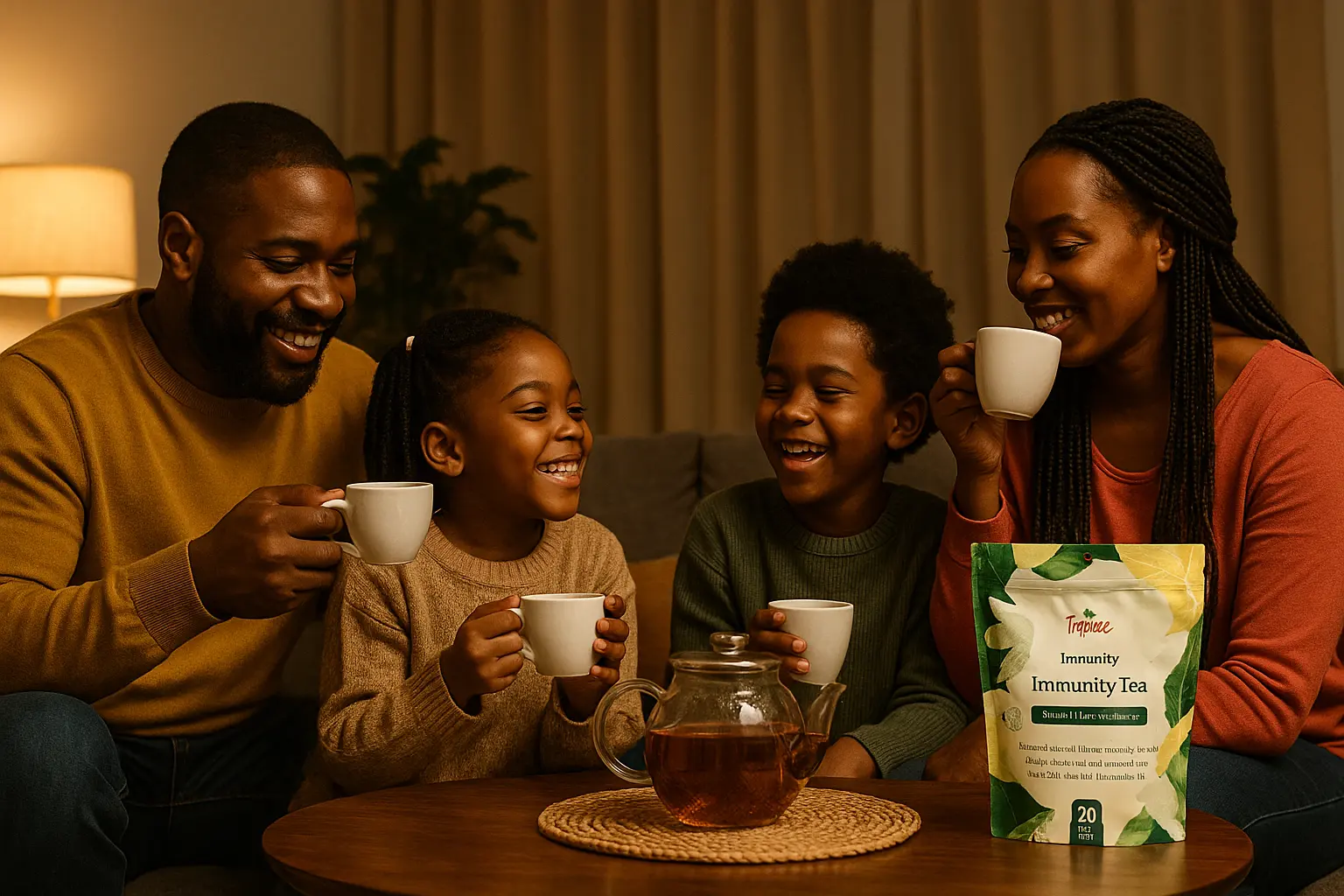
Tea is far more than a beverage across the African continent and its global diaspora. It is a ritual, a gathering point, and in many homes, a spiritual anchor. From the early morning pour in Yoruba households to the calming nighttime brews in Ghanaian kitchens, daily tea rituals for African families are part wellness, storytelling, and inherited wisdom.
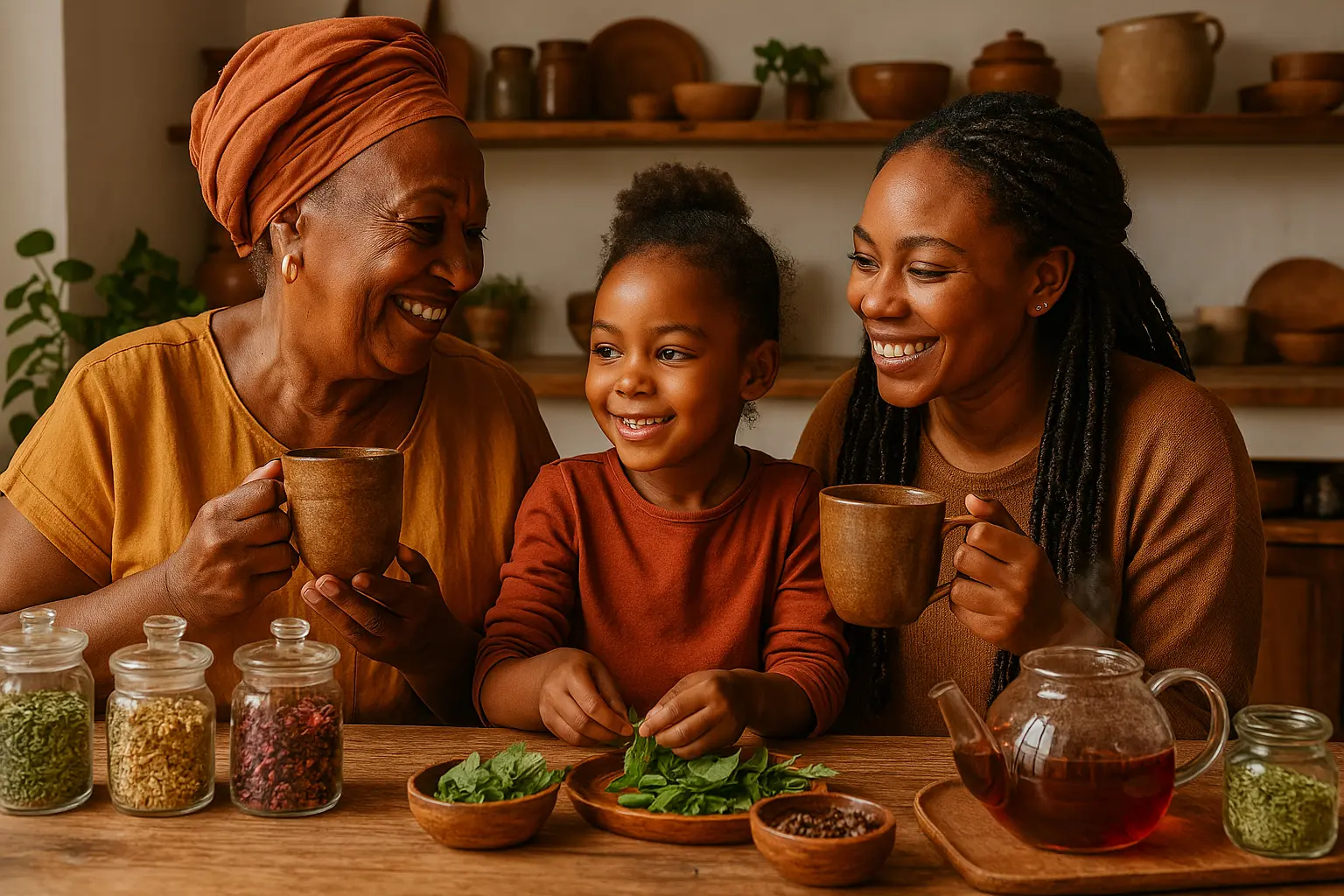
In homes without prescription pads, women across the continent used hibiscus for blood cleansing, lemongrass for colds, clove for immunity, and rooibos to calm crying infants. These herbs were not trends. They were life-saving, spirit-strengthening tools passed from grandmother to granddaughter.
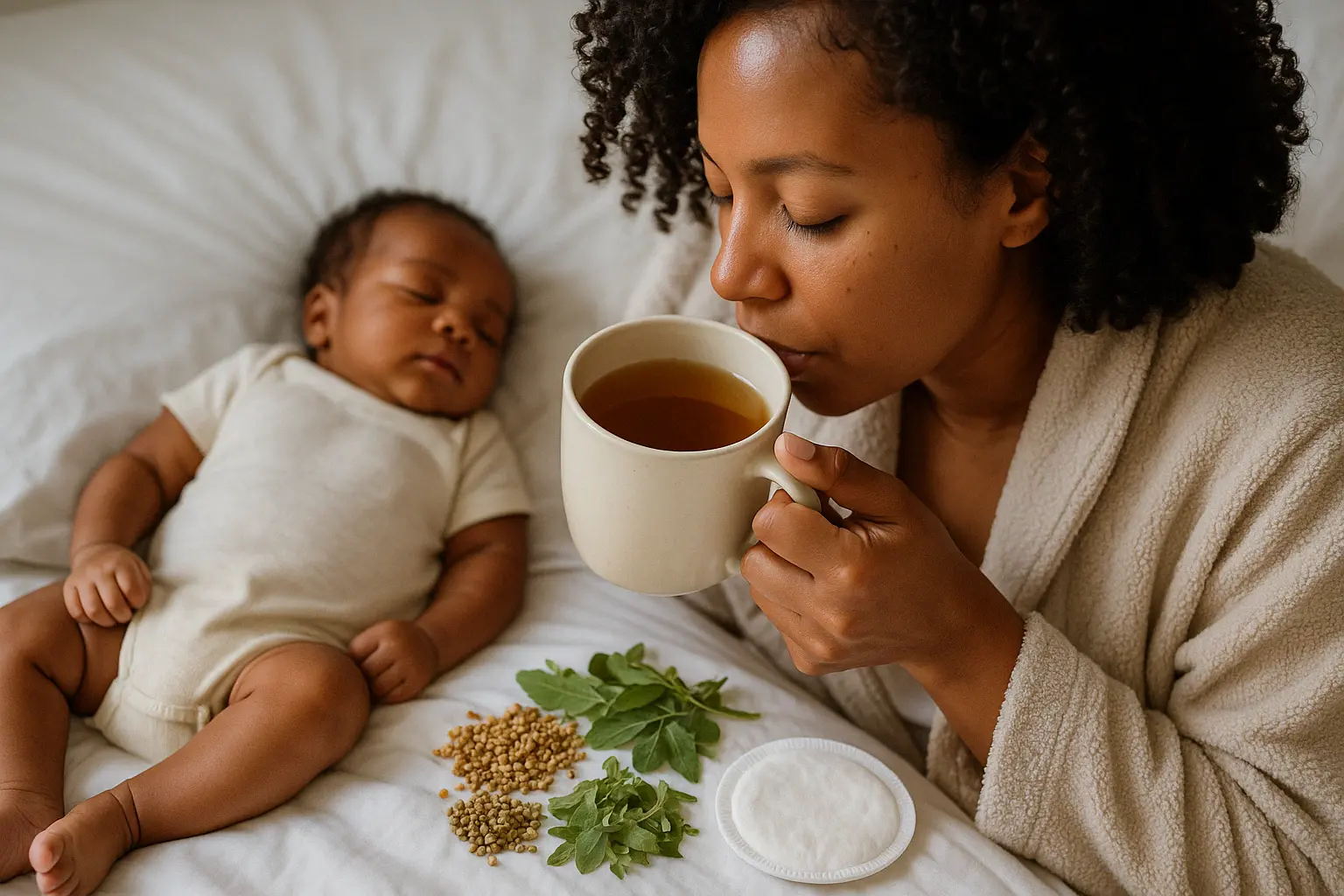
Natural lactation tea is a herbal infusion designed to support breast milk production in nursing mothers. Across many African communities, herbal teas have long been used to nourish mothers after childbirth, combining calming rituals with plant-based wisdom.
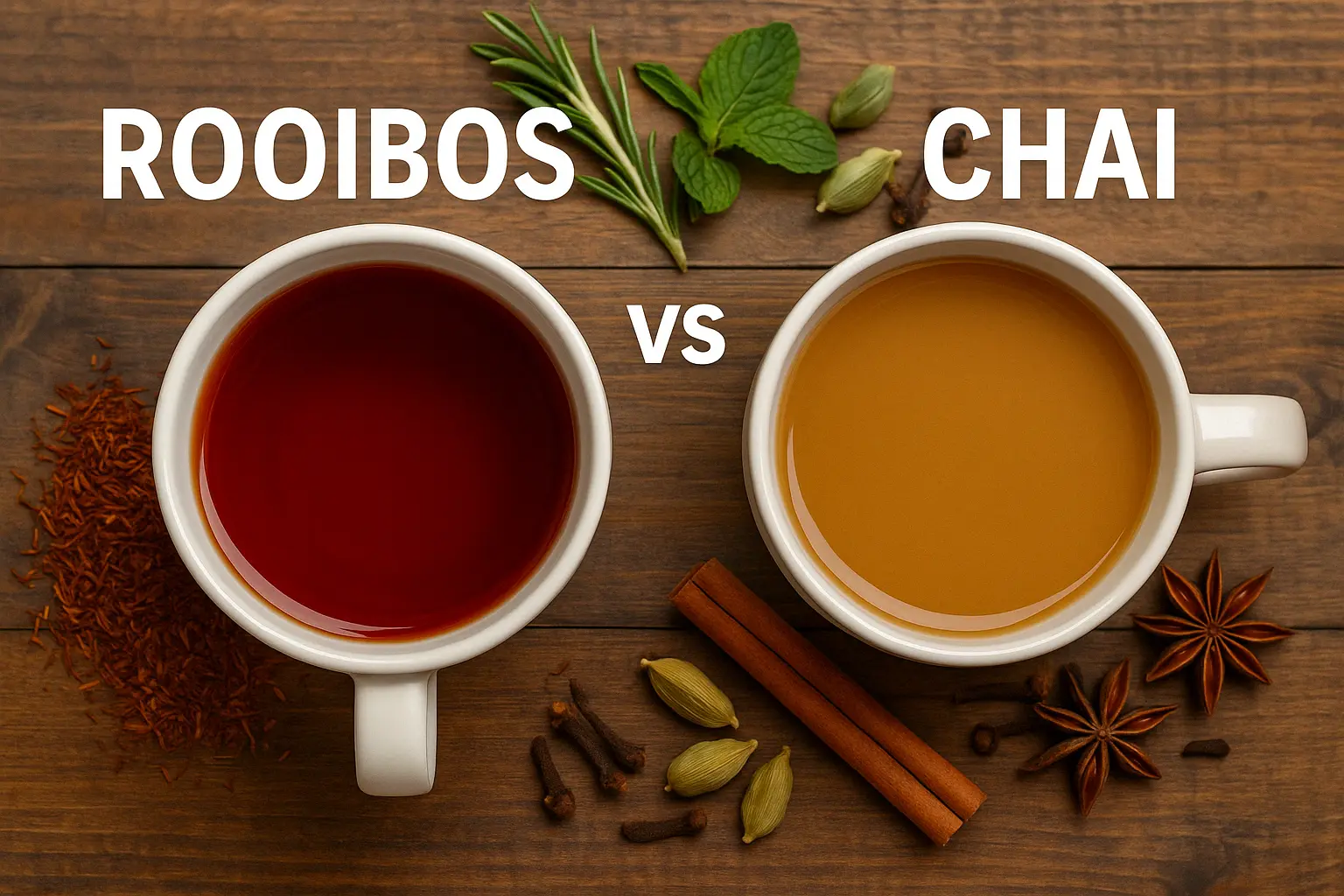
When you hear “chai,” you might think spice and warmth. When you hear “rooibos,” you think smooth and caffeine-free. Both teas offer unique flavor experiences and wellness benefits, but how do they compare?
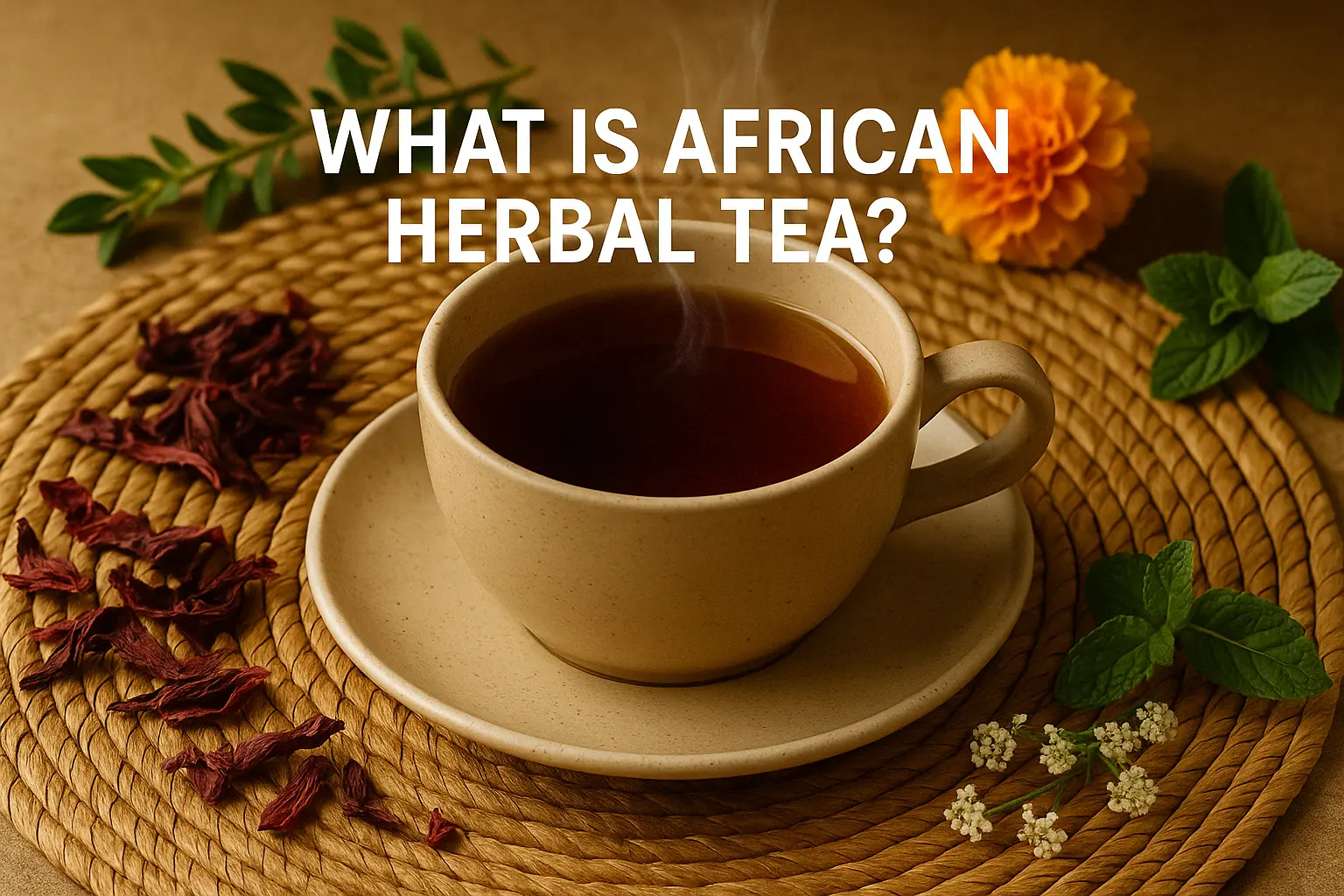
African herbal tea is more than a beverage. It is a tradition passed through generations, rooted in the soil, spirit, and science of African healing. Unlike conventional teas made from Camellia sinensis (like green or black tea), African herbal teas are made from indigenous leaves, flowers, bark, seeds, and roots with powerful wellness properties.
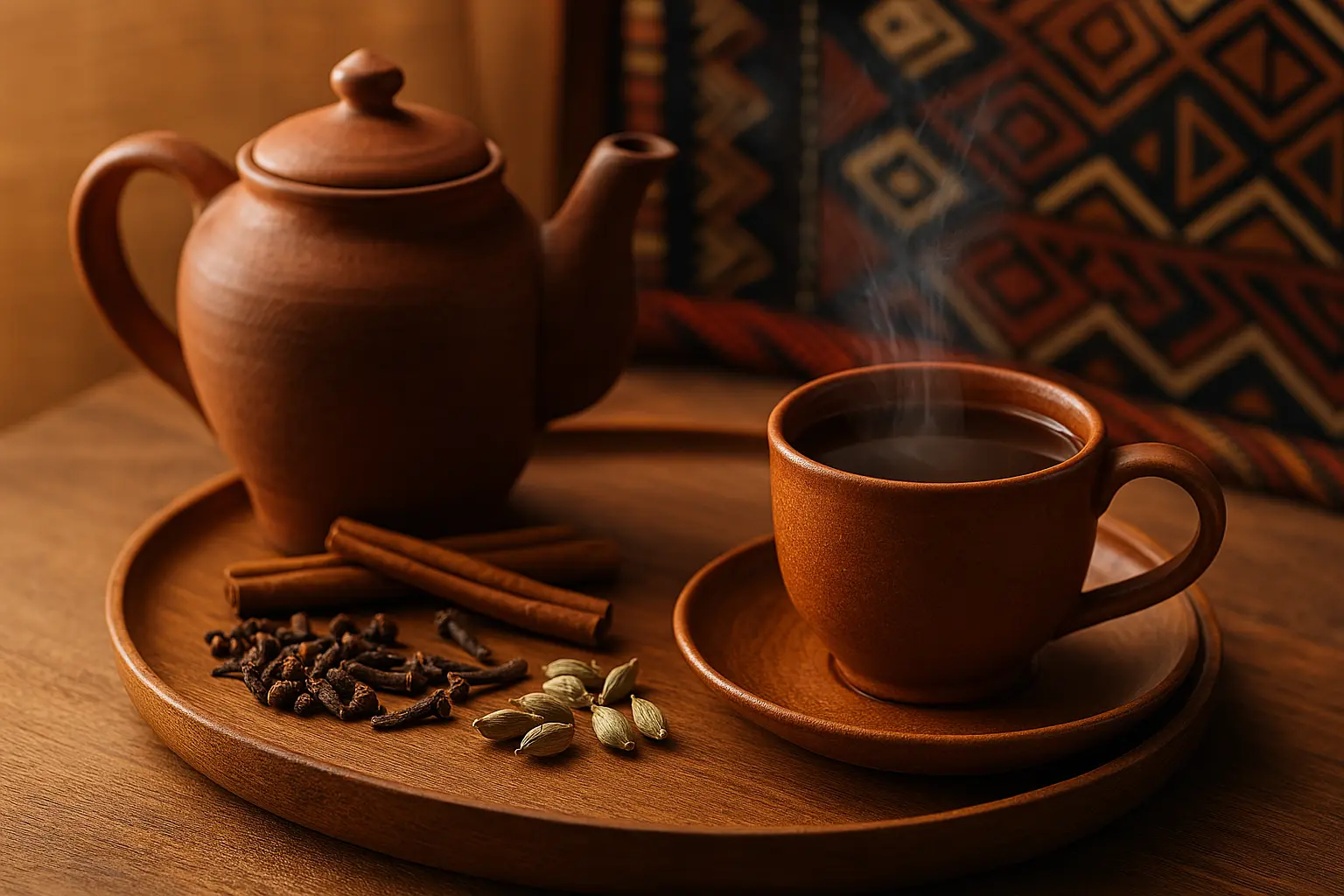
In a tea market flooded with look-alike blends and borrowed names, Rooibos Chai is having a quiet moment. But at Tropace, this moment isn’t just about flavor; it’s about representation, ritual, and a return to ancestral nourishment.
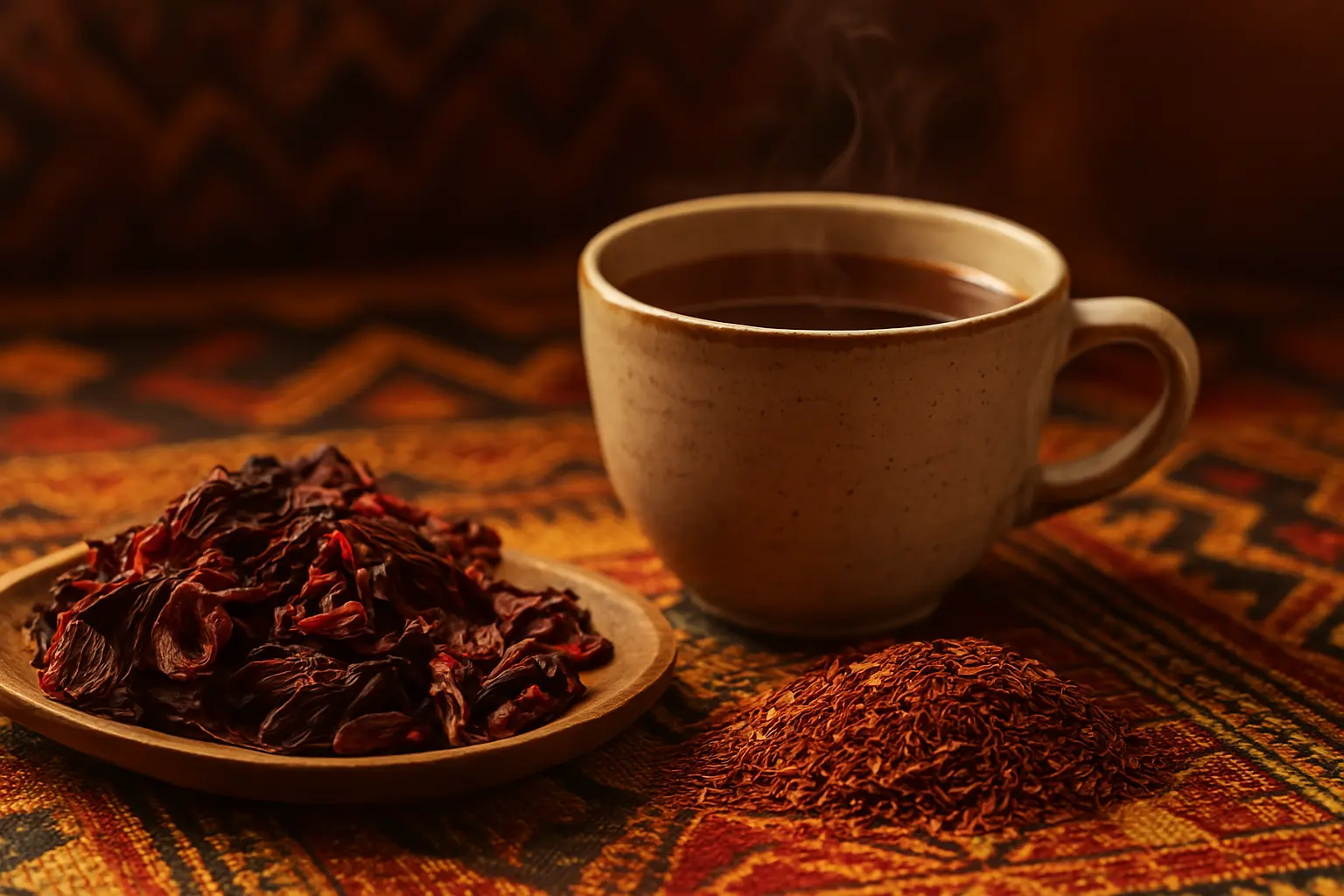
In a global market where teas are often reduced to trends and tags, there’s a quiet revolution happening one that centers culture, roots, and rituals over convenience. The term “culturally grounded” is becoming more common, but what does it truly mean when it applies to something as everyday as tea?
