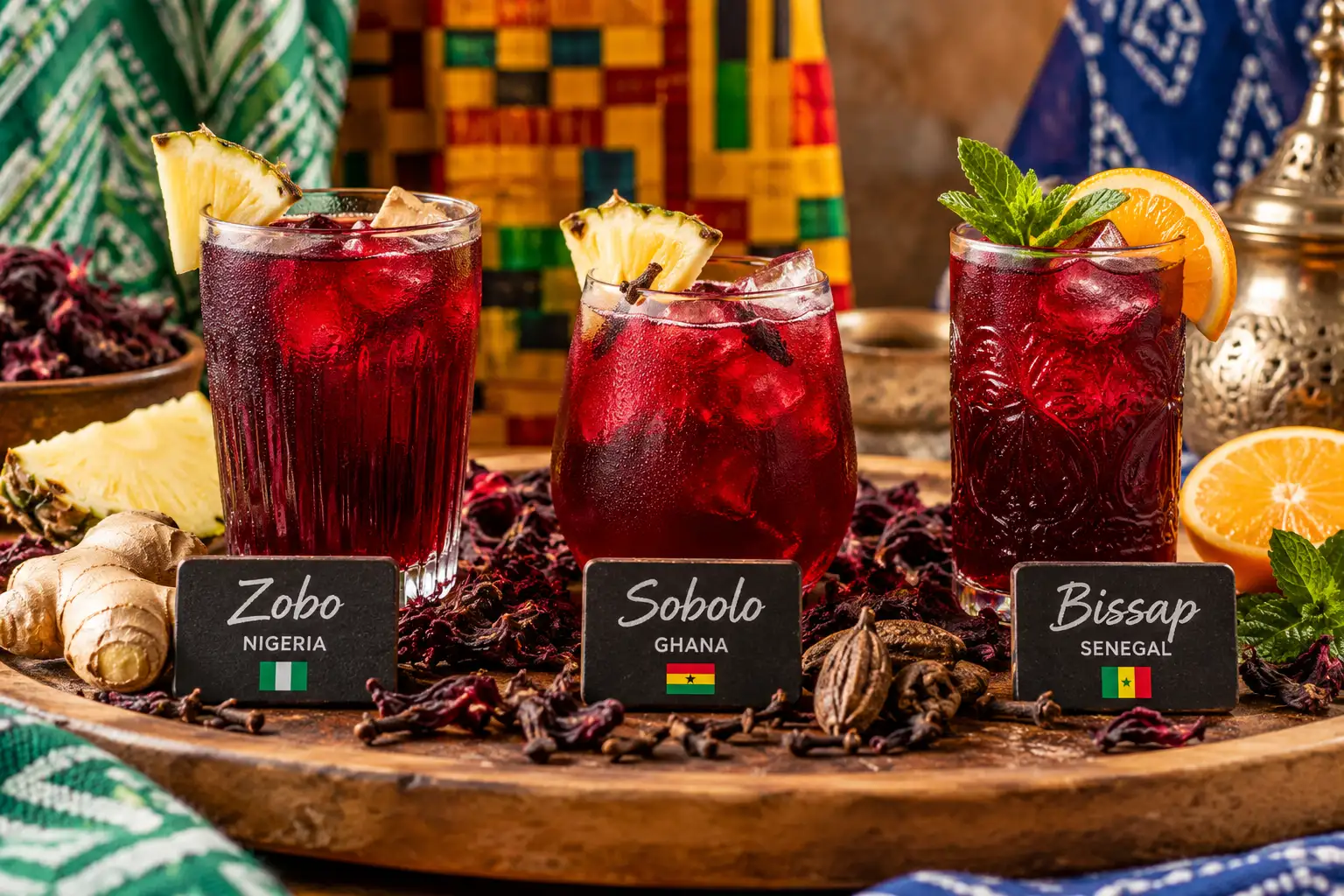
One Hibiscus, Many Traditions: Zobo, Sobolo and Bissap Across West Africa
The ruby-red drinks of Nigeria, Ghana and Senegal share a botanical foundation; however, each name carries its own flavors, customs
The ruby-red drinks of Nigeria, Ghana and Senegal share a botanical foundation; however, each name carries its own flavors, customs
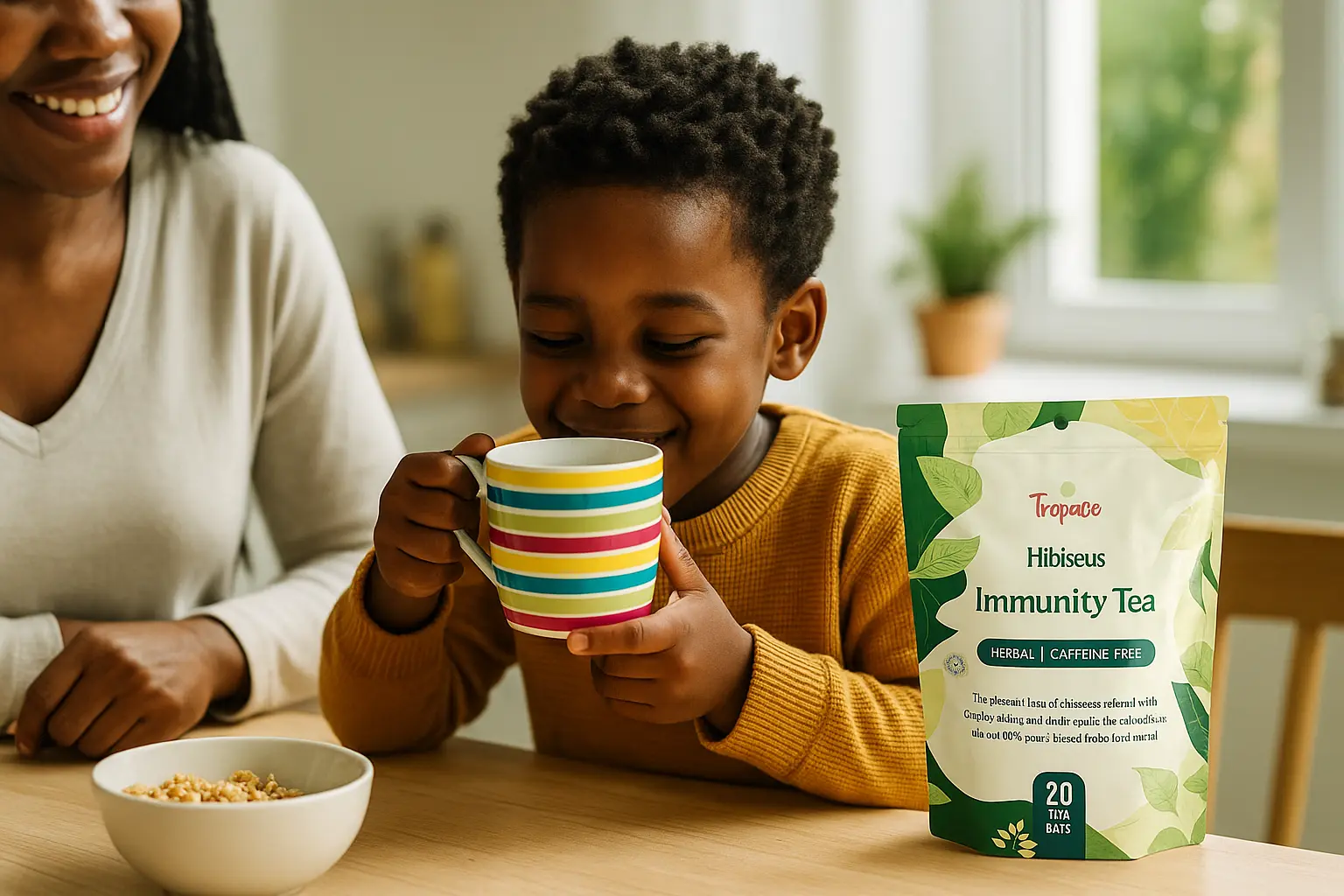
Let’s be honest, getting kids to eat anything remotely healthy is already a full-time job. Now you want them to drink tea?
But here’s the thing: when done right, tea for kids isn’t just possible, it becomes something they ask for
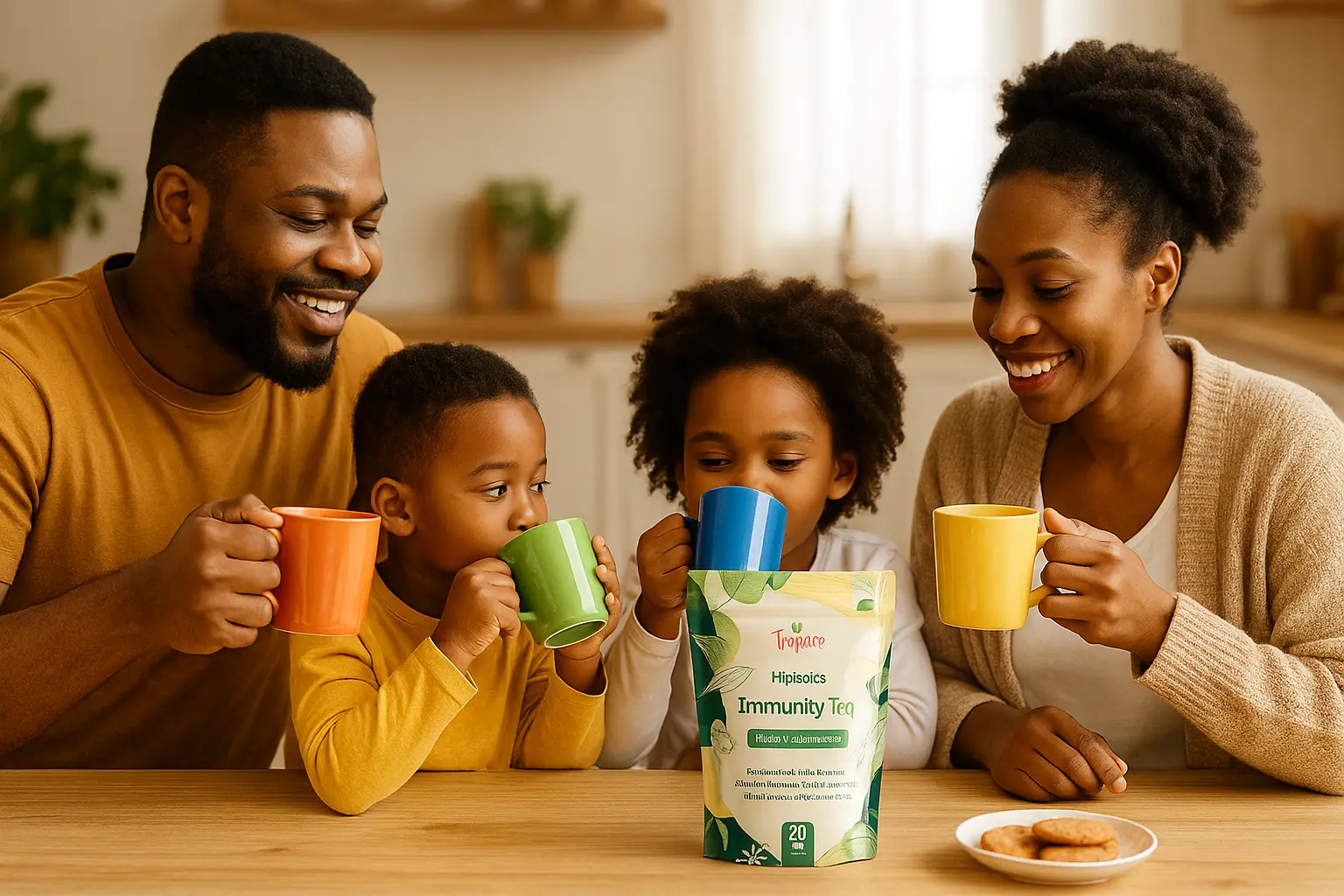
The truth is, immunity isn’t built overnight and not through gummy vitamins alone.
Between school germs, work stress, and unpredictable weather, families today need more than a multivitamin. They need a daily, shared ritual that works.
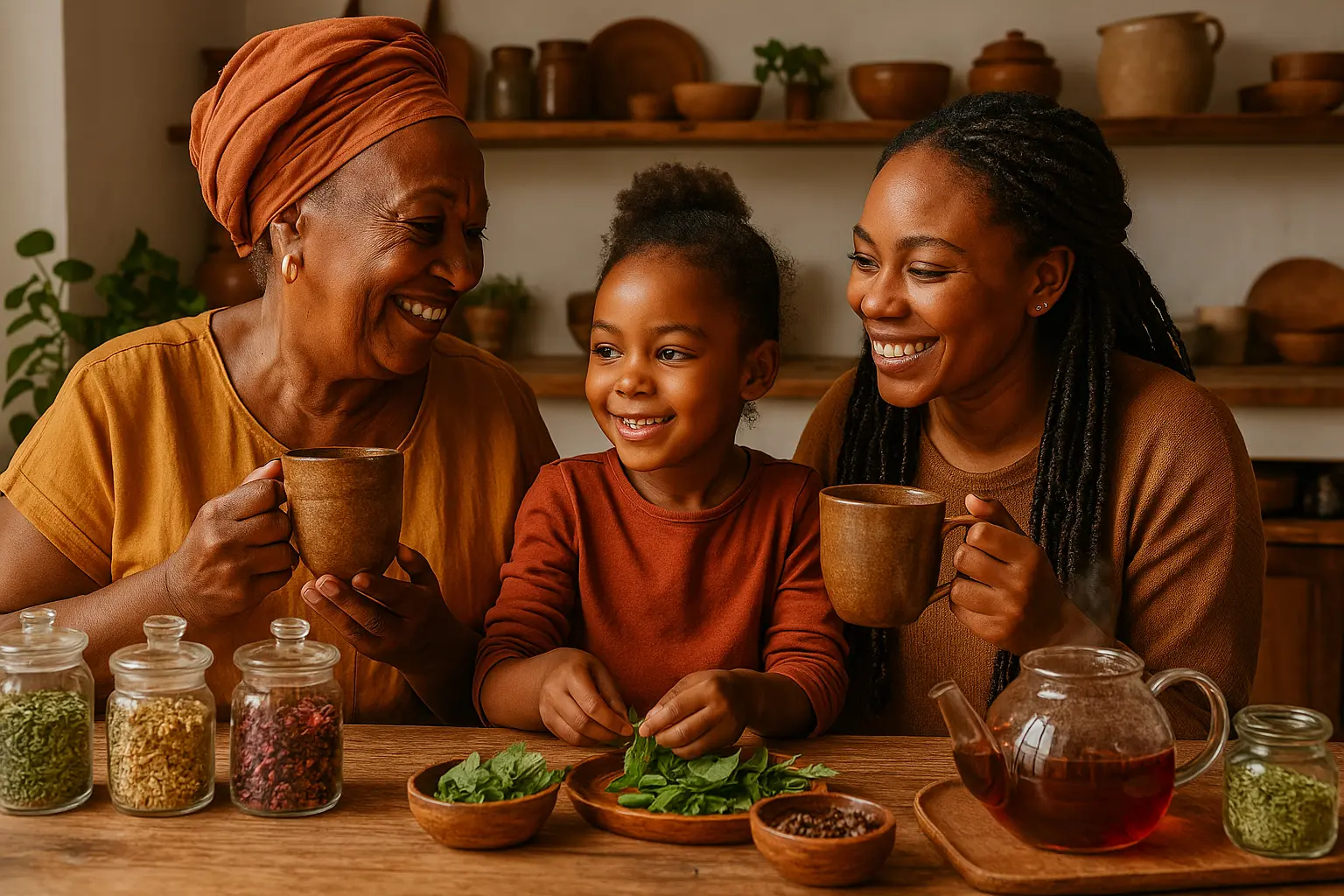
In homes without prescription pads, women across the continent used hibiscus for blood cleansing, lemongrass for colds, clove for immunity, and rooibos to calm crying infants. These herbs were not trends. They were life-saving, spirit-strengthening tools passed from grandmother to granddaughter.
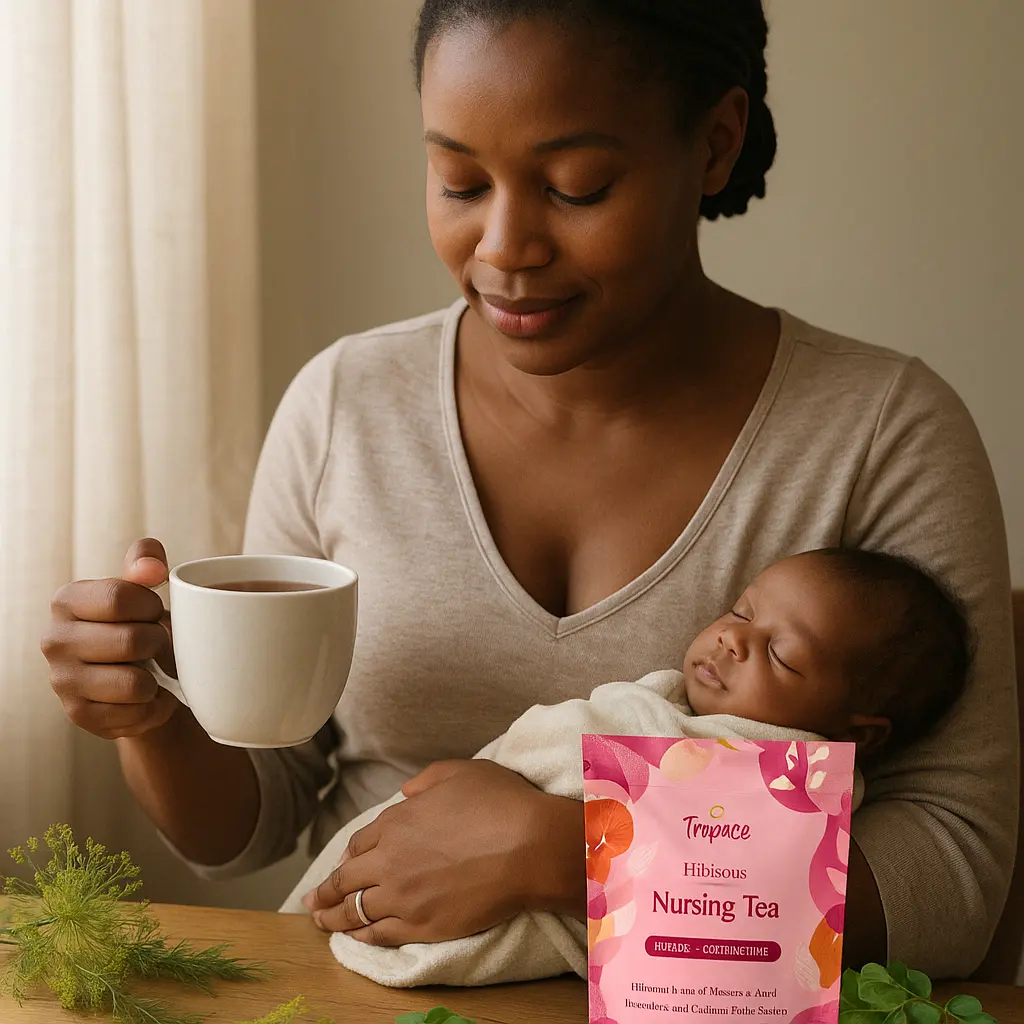
Motherhood begins with love and exhaustion. Between night feeds, hormonal shifts, and physical recovery, new moms often feel depleted, both emotionally and physically.
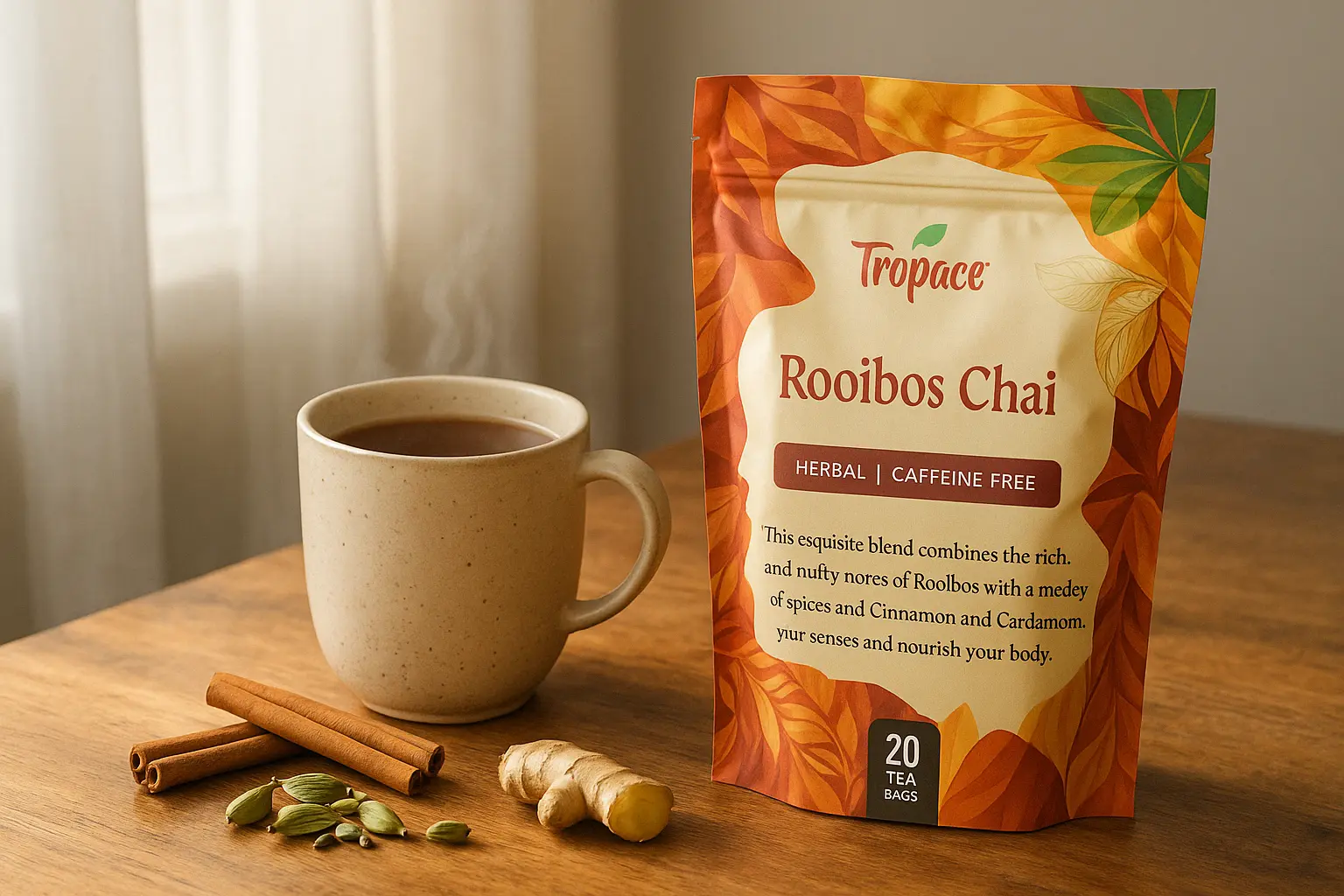
Rooibos chai is a fusion of South African rooibos and traditional chai spices like cinnamon, cardamom, ginger, and clove. It’s the perfect blend for people who want the warmth and richness of chai, but without the caffeine overload.
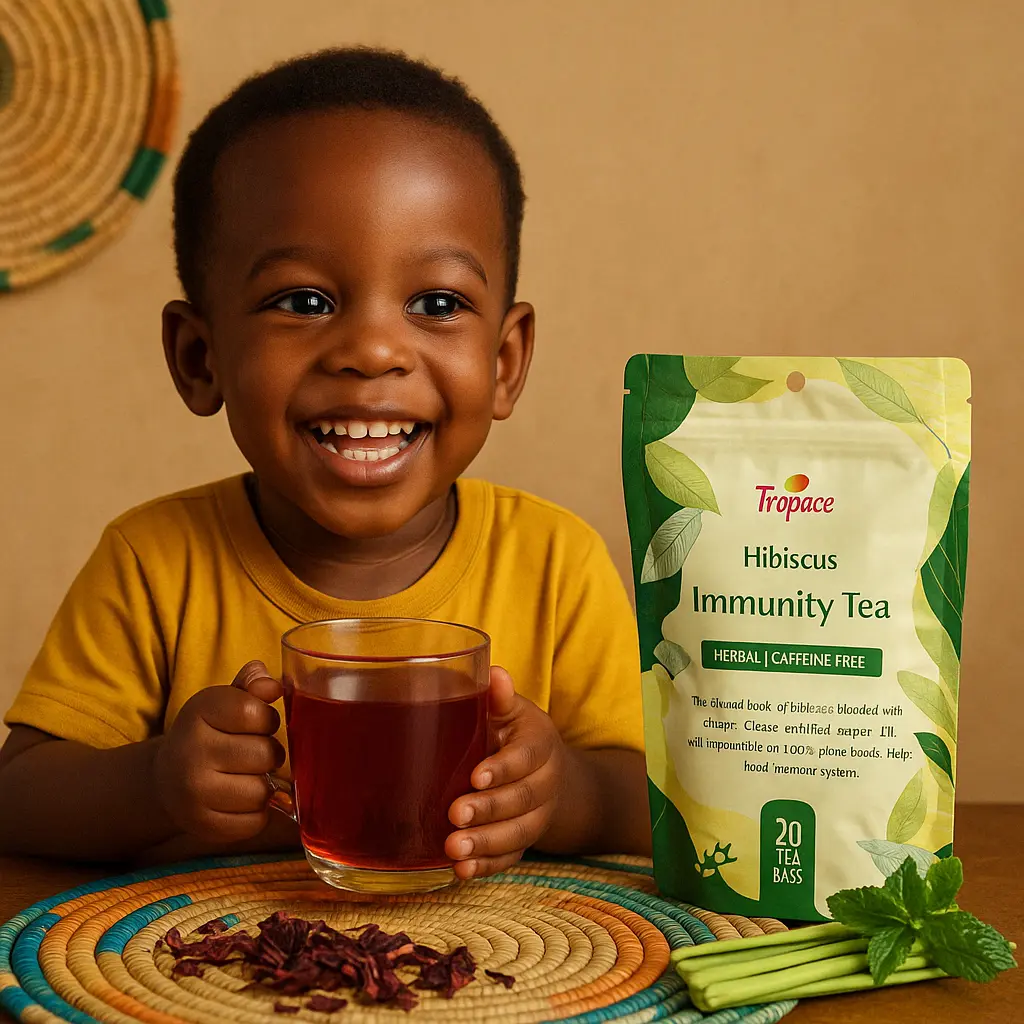
In many African households, children grow up sipping warm herbal teas made by their grandmothers. Among these, hibiscus tea, known locally as zobo, stands out for its bright red color, tangy flavor, and immune-boosting properties.
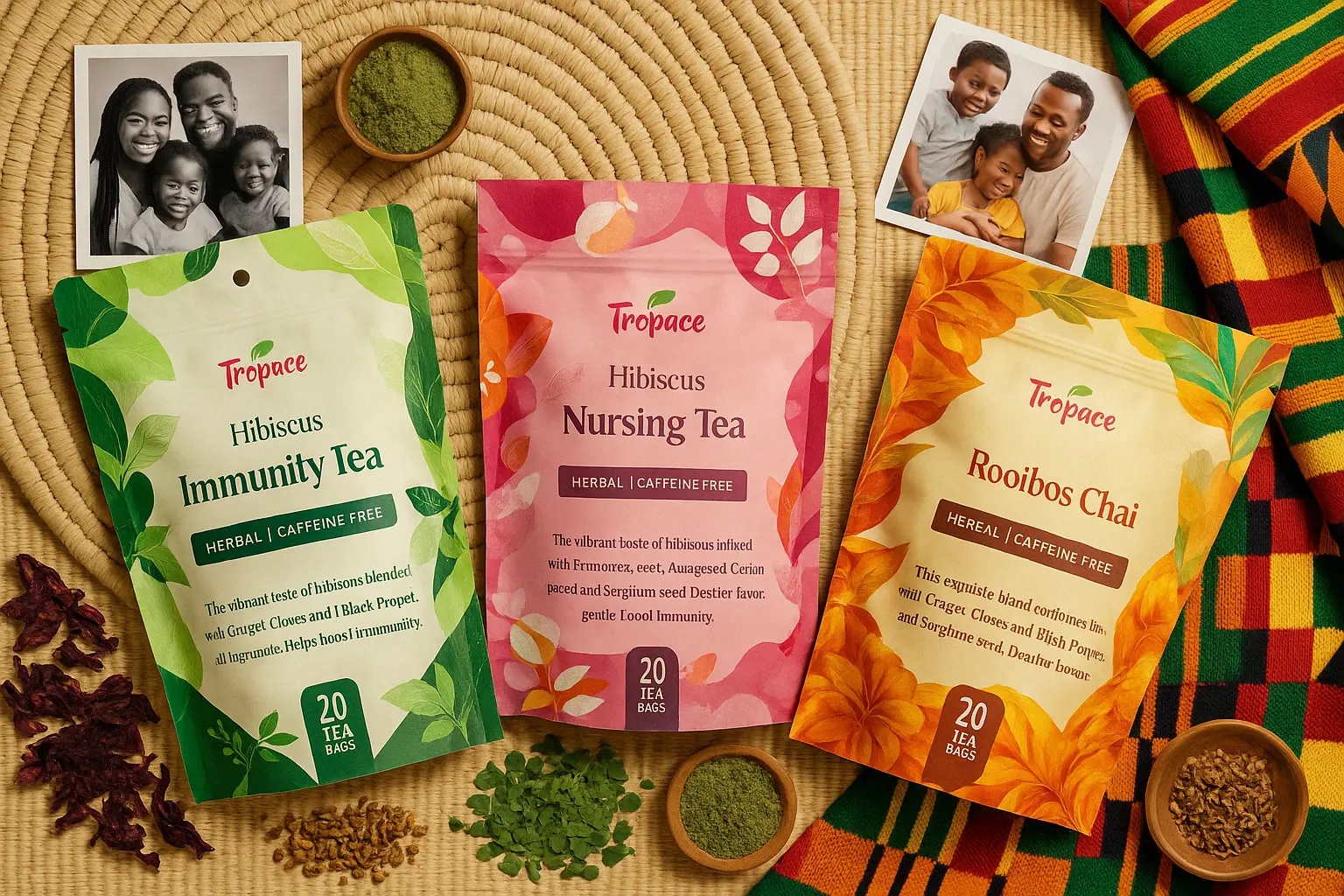
Across the world, there is a powerful shift happening. Consumers are seeking products that don’t just serve the body, but also speak to identity, ancestry, and belonging. They offer more than nutrition. They offer cultural memory, herbal wisdom, and the joy of seeing yourself reflected in what you consume.
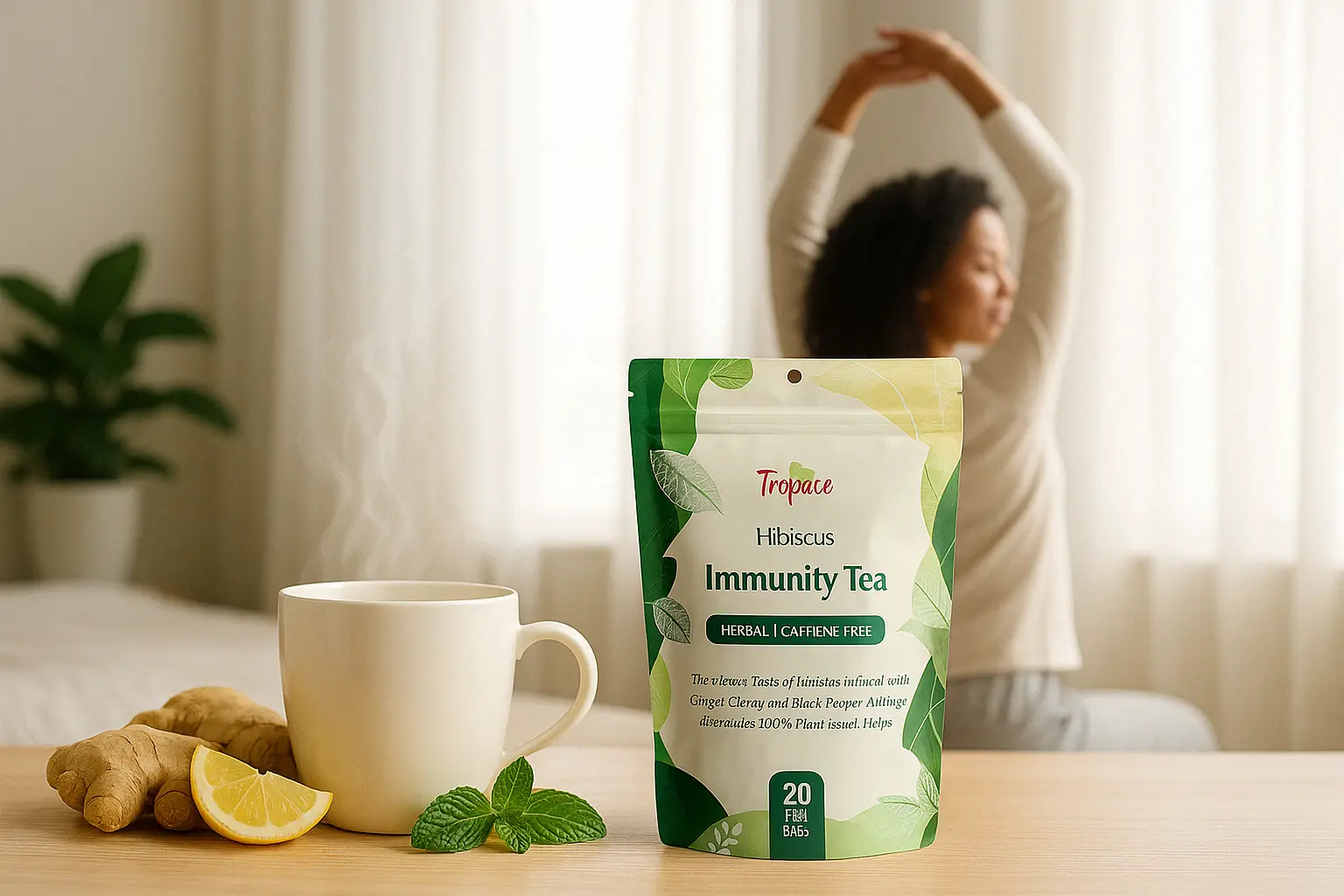
We’re trained to believe that energy must come from caffeine. But for many parents, professionals, and wellness seekers, that daily jolt leads to:
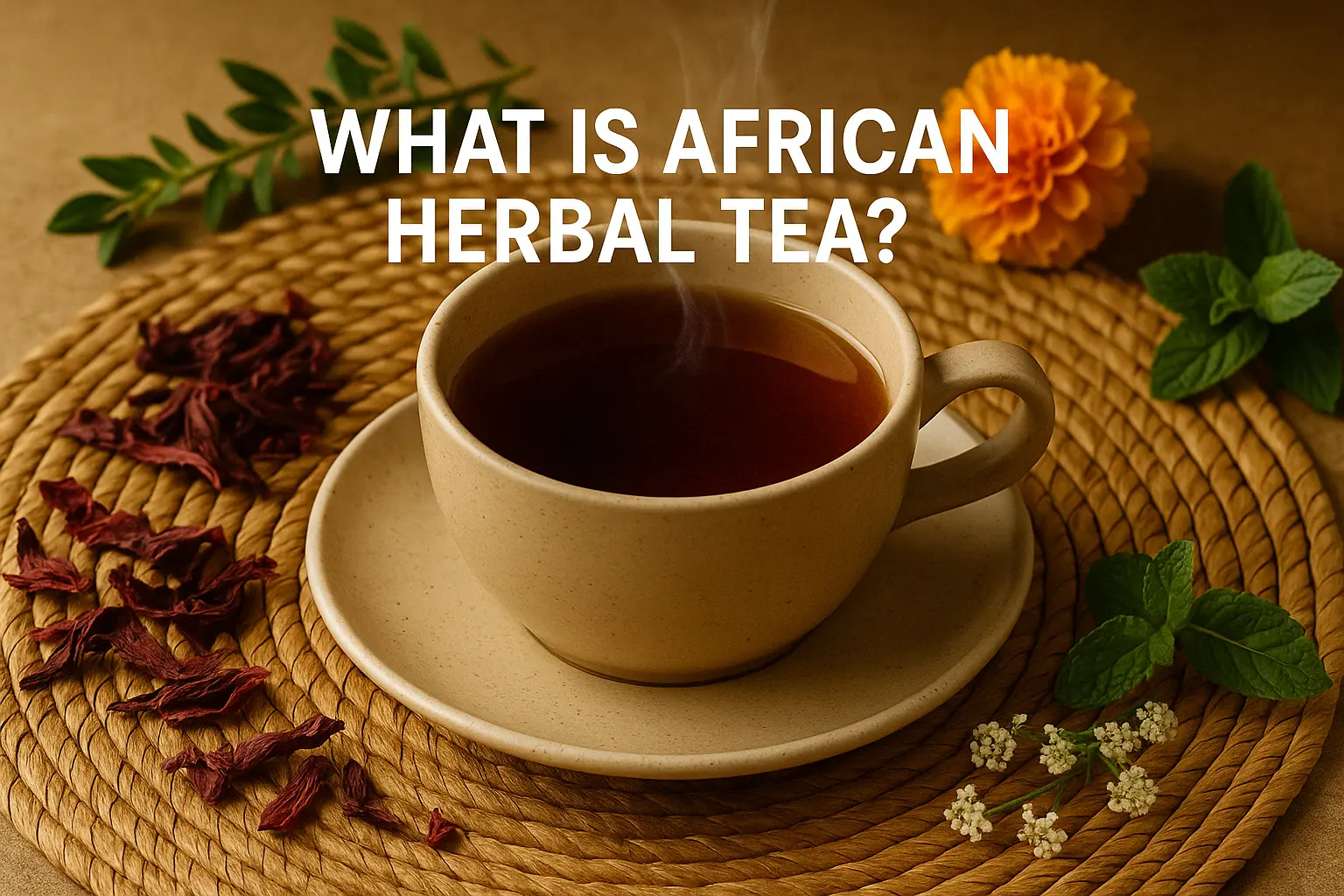
African herbal tea is more than a beverage. It is a tradition passed through generations, rooted in the soil, spirit, and science of African healing. Unlike conventional teas made from Camellia sinensis (like green or black tea), African herbal teas are made from indigenous leaves, flowers, bark, seeds, and roots with powerful wellness properties.
