
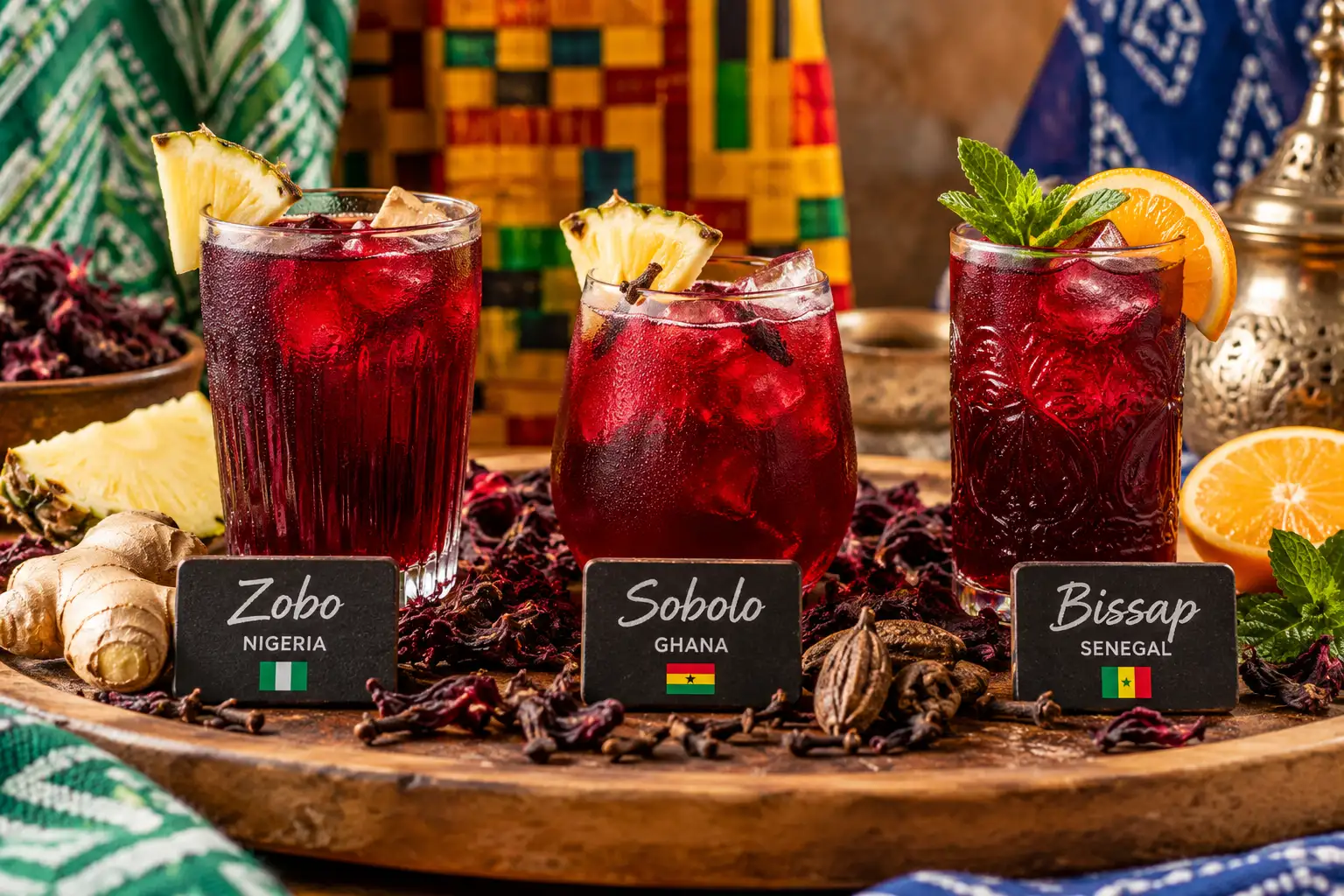
One Hibiscus, Many Traditions: Zobo, Sobolo and Bissap Across West Africa
The ruby-red drinks of Nigeria, Ghana and Senegal share a botanical foundation; however, each name carries its own flavors, customs
The ruby-red drinks of Nigeria, Ghana and Senegal share a botanical foundation; however, each name carries its own flavors, customs
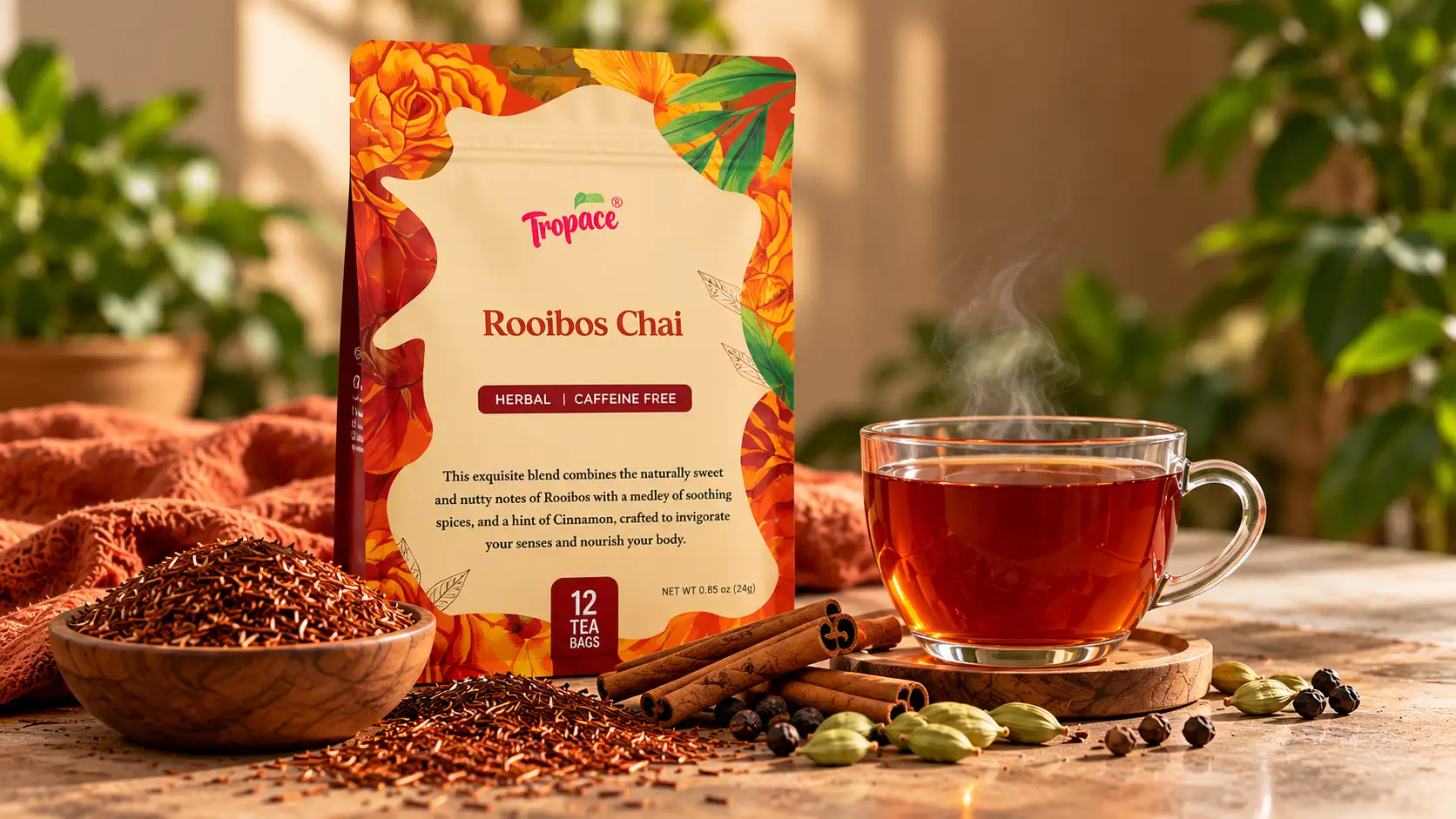
Earthy South African rooibos meets warming spices from South East Asia in a naturally caffeine free cup made for everyday
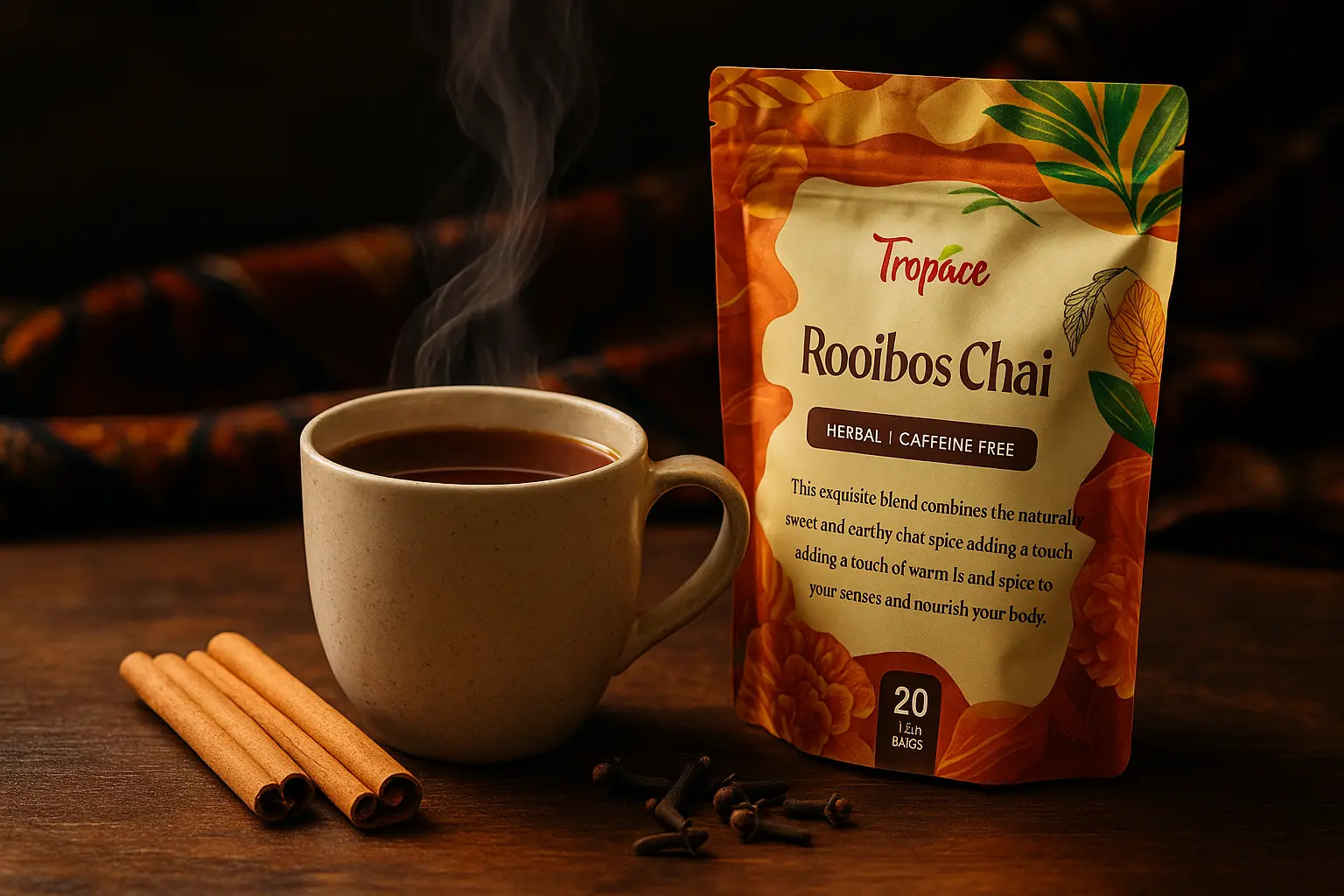
In a world full of trendy teas and flashy blends, Rooibos Chai quietly holds its crown, rich in tradition, powerful in benefits, and unapologetically African.
This isn’t your average chai. Rooibos Chai is what happens when ancient wellness meets modern needs, with flavor that satisfies and nutrients that serve the whole family.
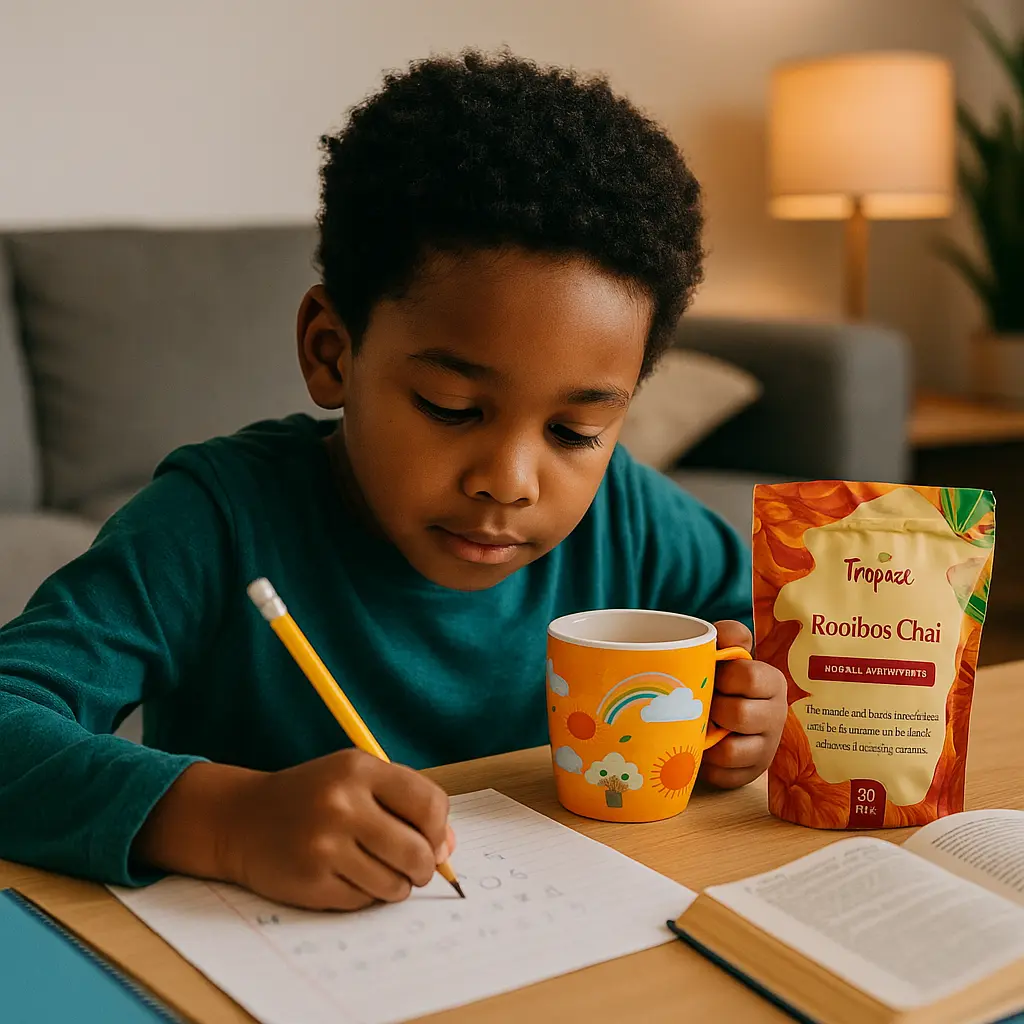
In today’s world of screen notifications, TikTok dopamine loops, and classroom distractions, even the most disciplined child struggles to stay focused.
And as parents, we’re left asking what can help?
The answer isn’t always more tutoring or digital detoxes. Sometimes, it starts with something simpler. Gentler. Warmer.
Like a cup of tea.
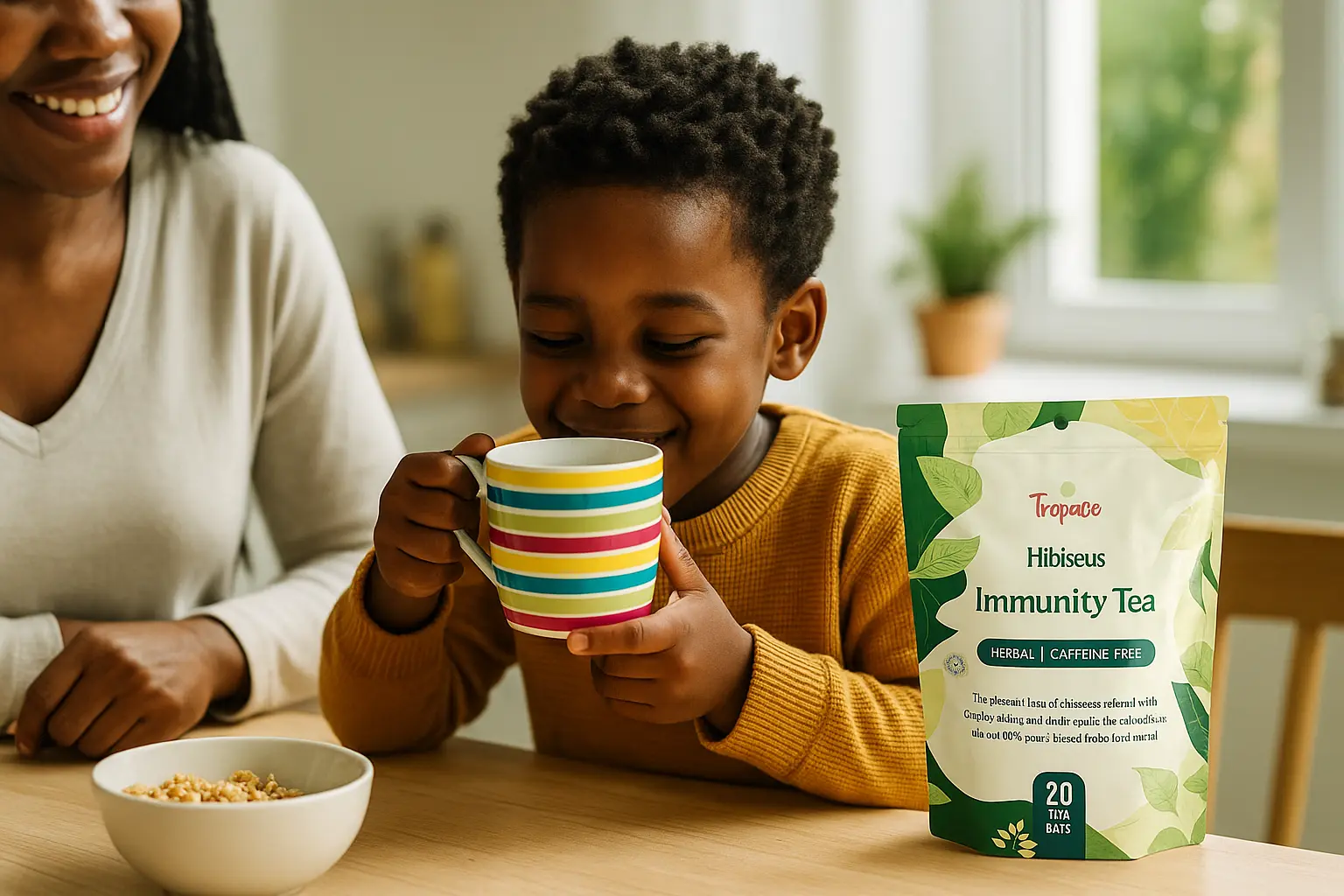
Let’s be honest, getting kids to eat anything remotely healthy is already a full-time job. Now you want them to drink tea?
But here’s the thing: when done right, tea for kids isn’t just possible, it becomes something they ask for

They’ve been through late-night suya, fried snacks on the go, that one uncle’s pepper soup, and now the stress of “eating healthy” without flavor.
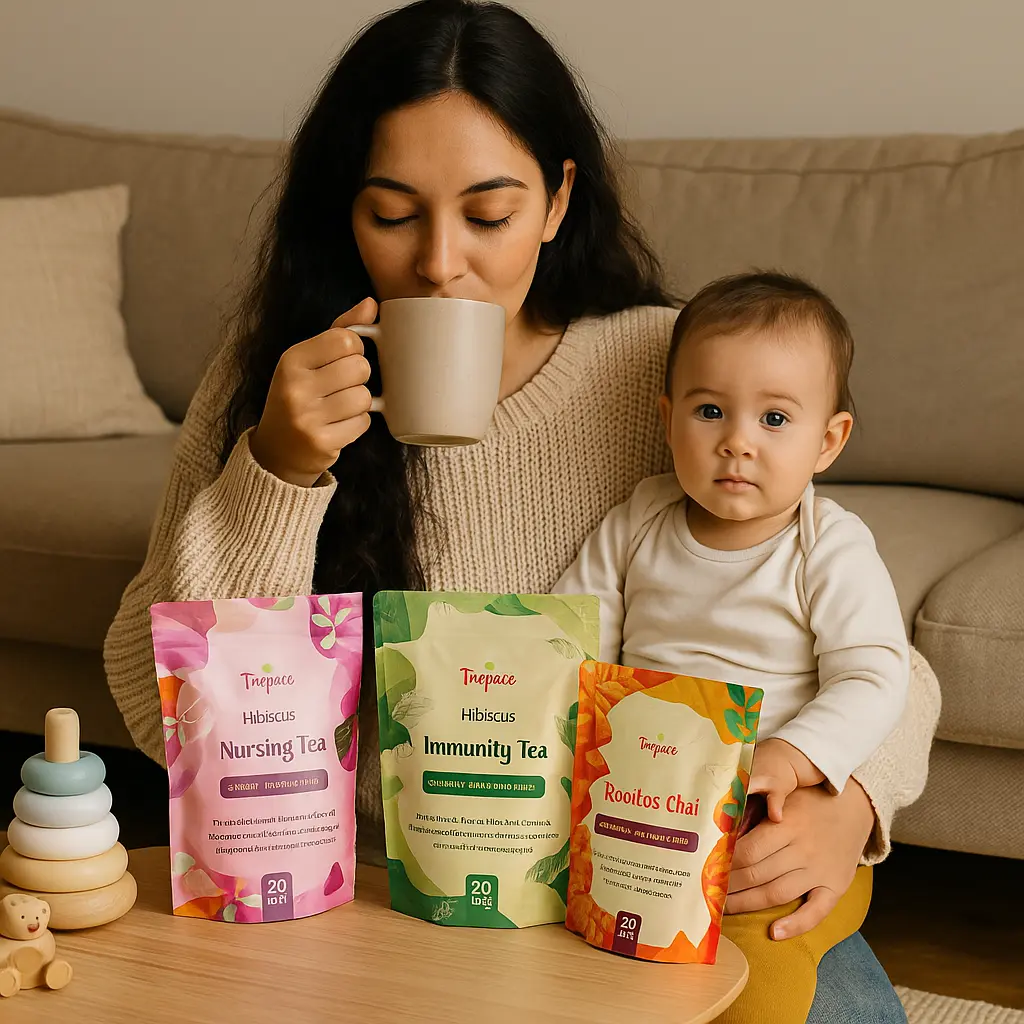
For many new mothers, breastfeeding is a beautiful commitment, but not always an easy one. From low milk supply to hormonal imbalances and emotional overwhelm, the postpartum period requires more than encouragement. It demands nourishment. Deep, ancestral nourishment.
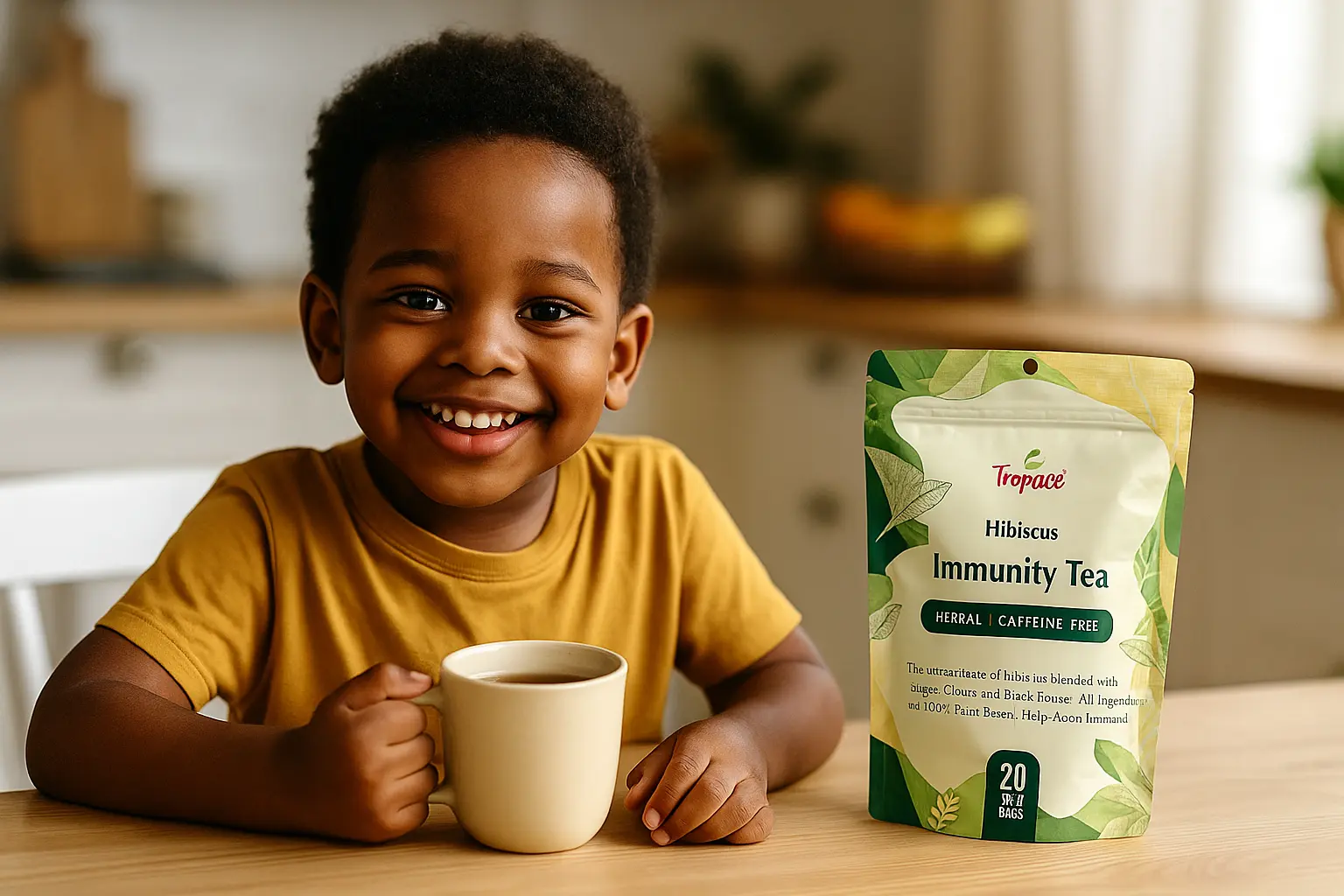
If you’ve ever tried to convince a child to eat a leaf, you know herbal wellness isn’t always an easy sell. But in African homes where grandmothers knew the secret of a steaming pot long before pharmacies ever stepped in, tea has always been a tool for healing.
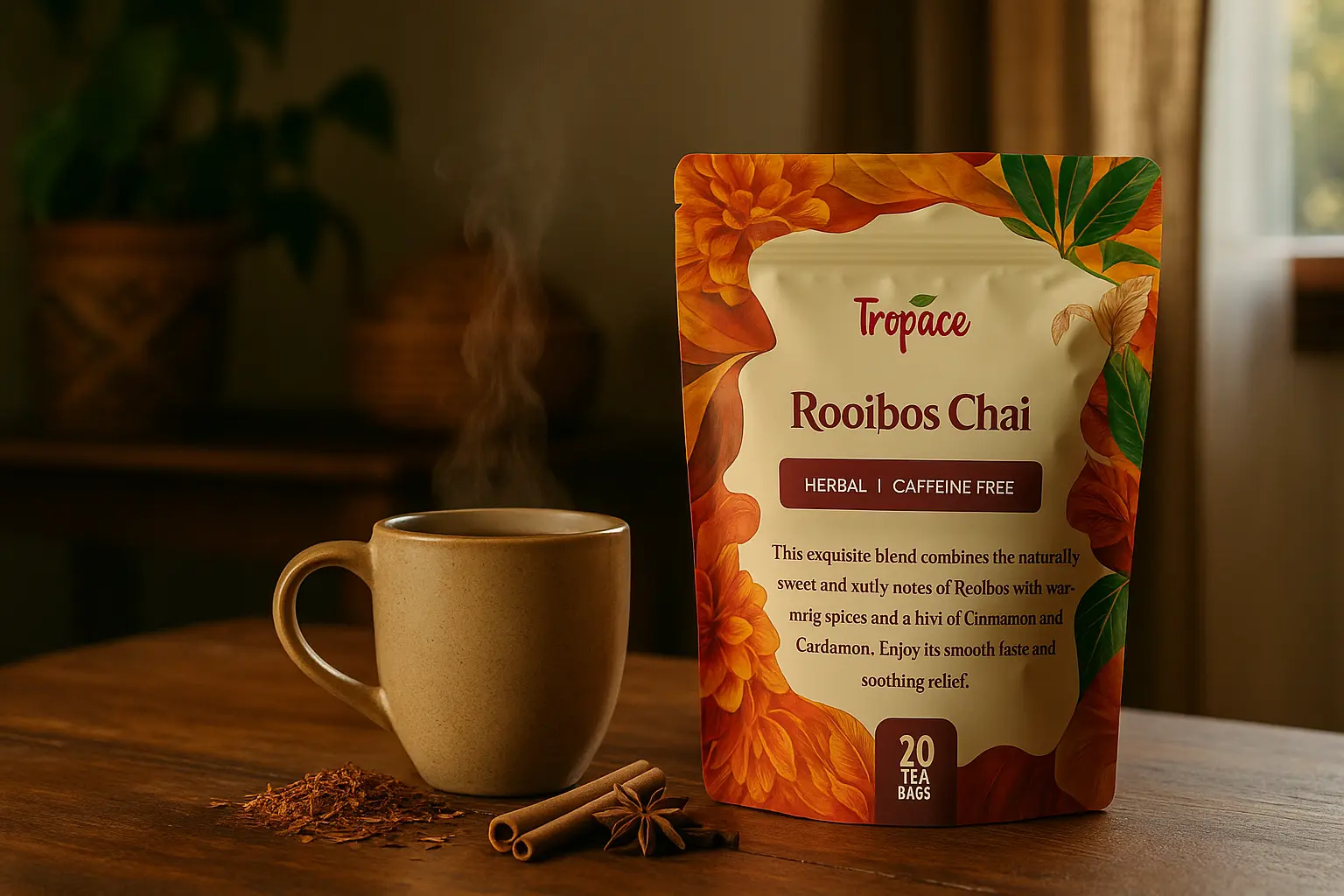
Walk down the tea aisle in any grocery store and you’ll see them, labels screaming “CAFFEINE-FREE” like it’s the second coming of calm. But what does that label mean? And more importantly, is caffeine-free tea good for you or just another sleepy marketing trick?
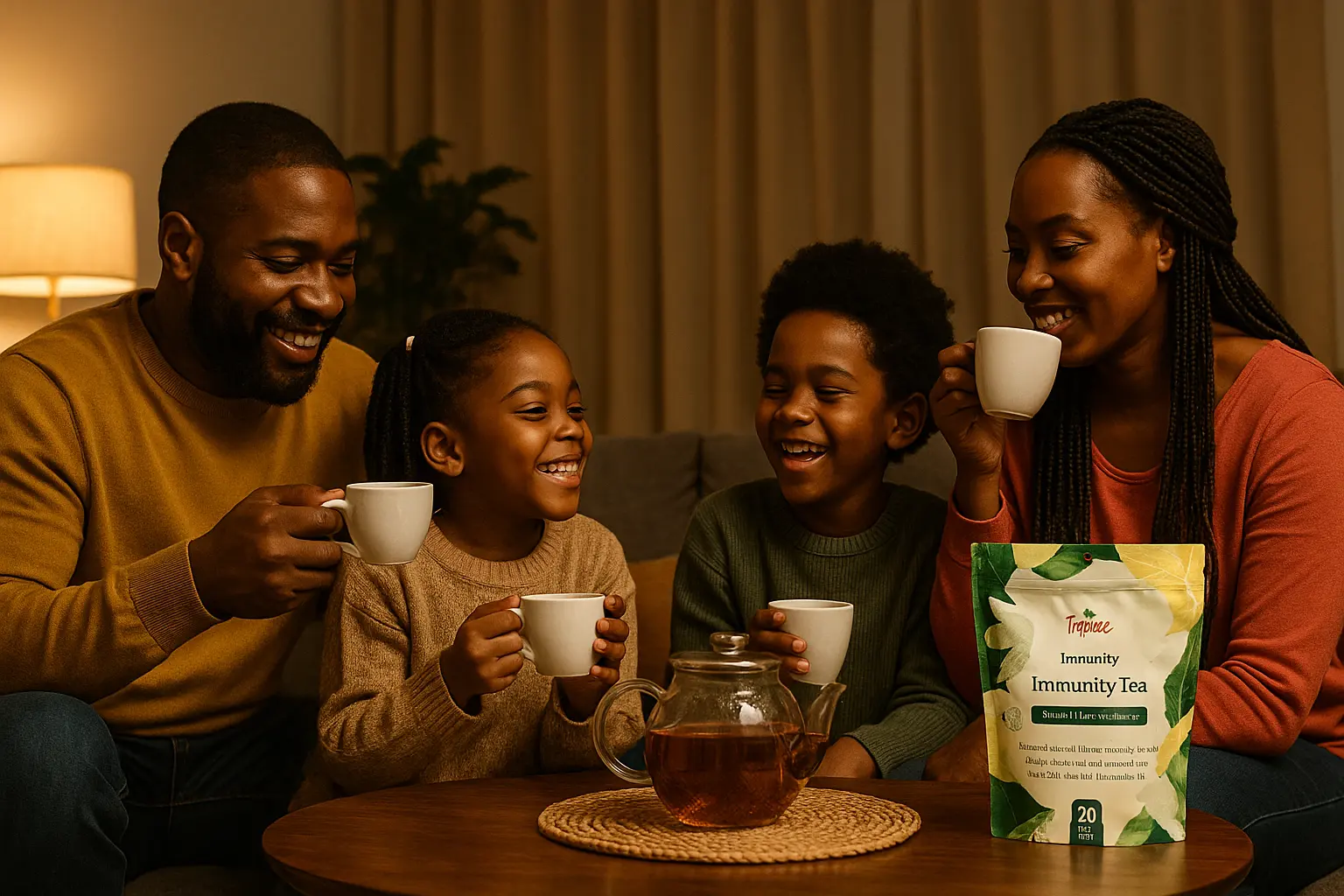
Tea is far more than a beverage across the African continent and its global diaspora. It is a ritual, a gathering point, and in many homes, a spiritual anchor. From the early morning pour in Yoruba households to the calming nighttime brews in Ghanaian kitchens, daily tea rituals for African families are part wellness, storytelling, and inherited wisdom.
