
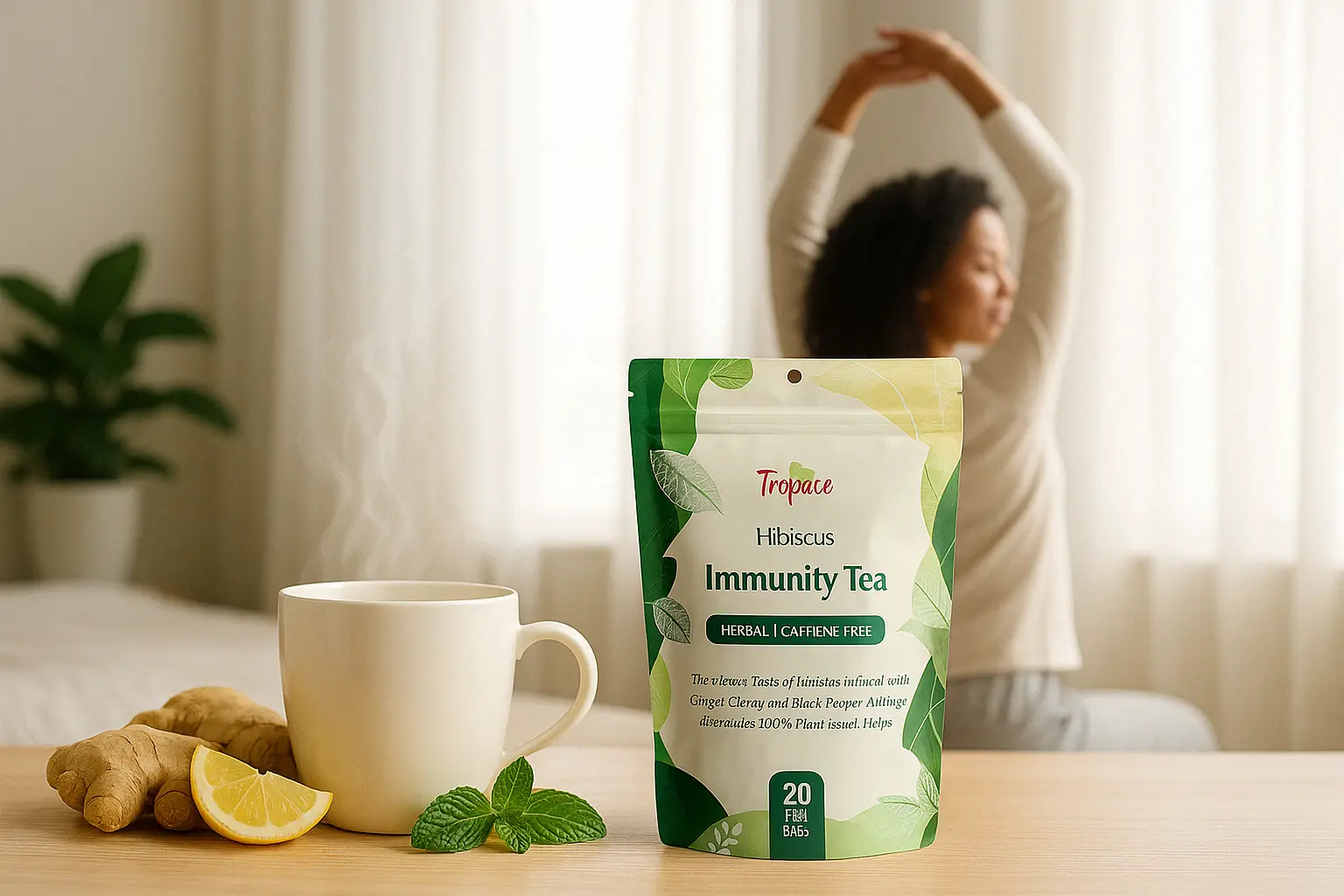
How to Start Your Morning with Tea Without Caffeine
We’re trained to believe that energy must come from caffeine. But for many parents, professionals, and wellness seekers, that daily jolt leads to:

We’re trained to believe that energy must come from caffeine. But for many parents, professionals, and wellness seekers, that daily jolt leads to:
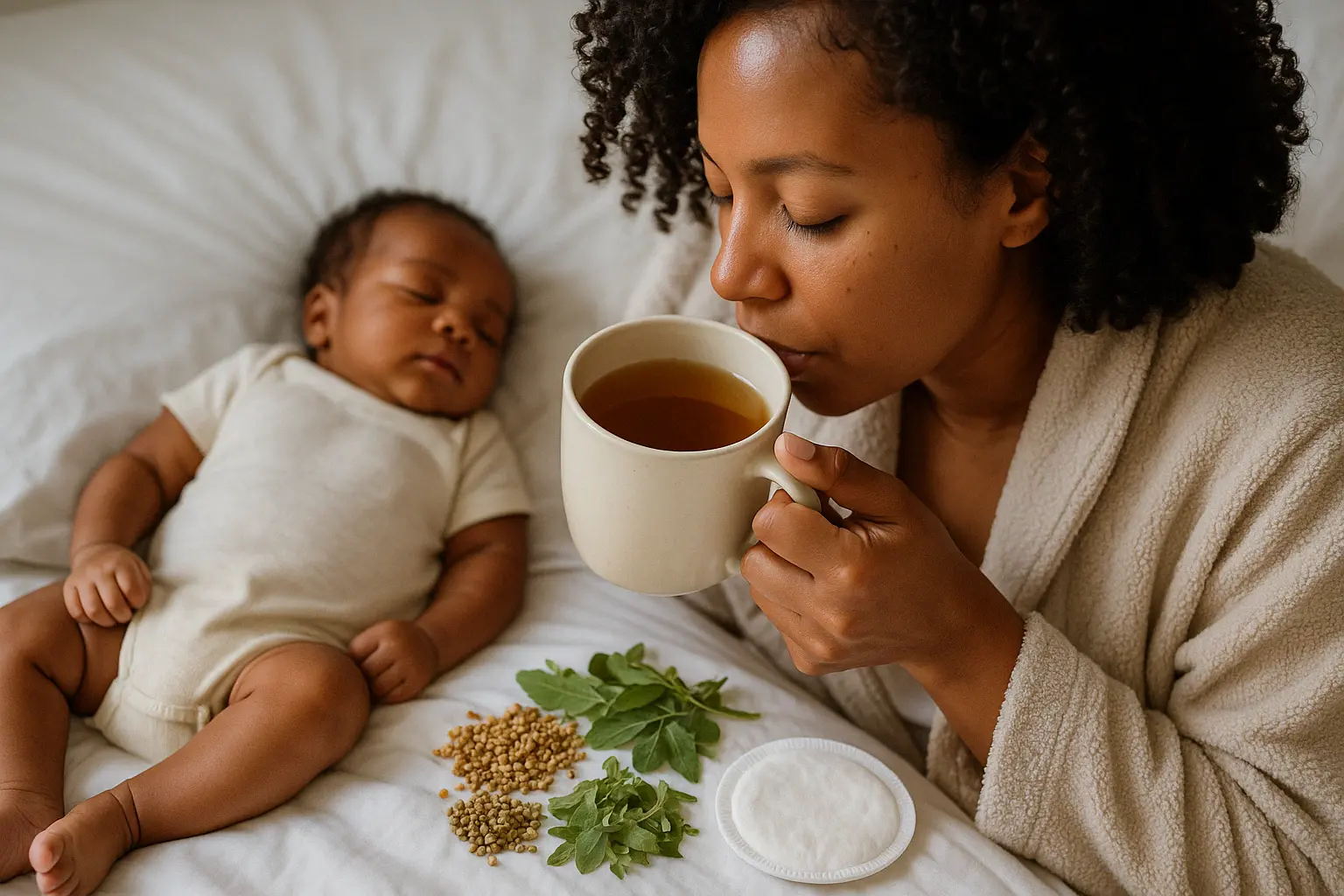
Natural lactation tea is a herbal infusion designed to support breast milk production in nursing mothers. Across many African communities, herbal teas have long been used to nourish mothers after childbirth, combining calming rituals with plant-based wisdom.
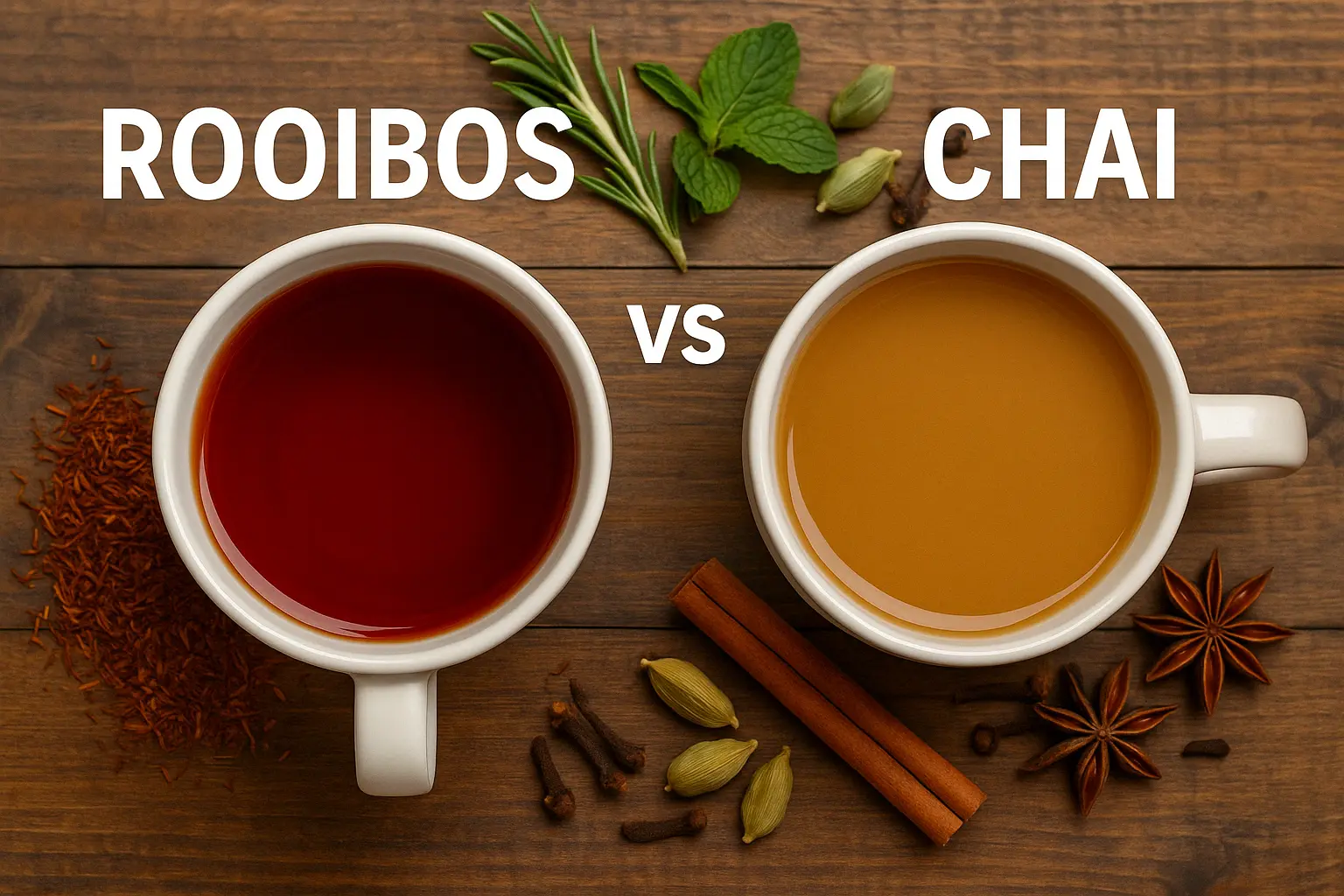
When you hear “chai,” you might think spice and warmth. When you hear “rooibos,” you think smooth and caffeine-free. Both teas offer unique flavor experiences and wellness benefits, but how do they compare?

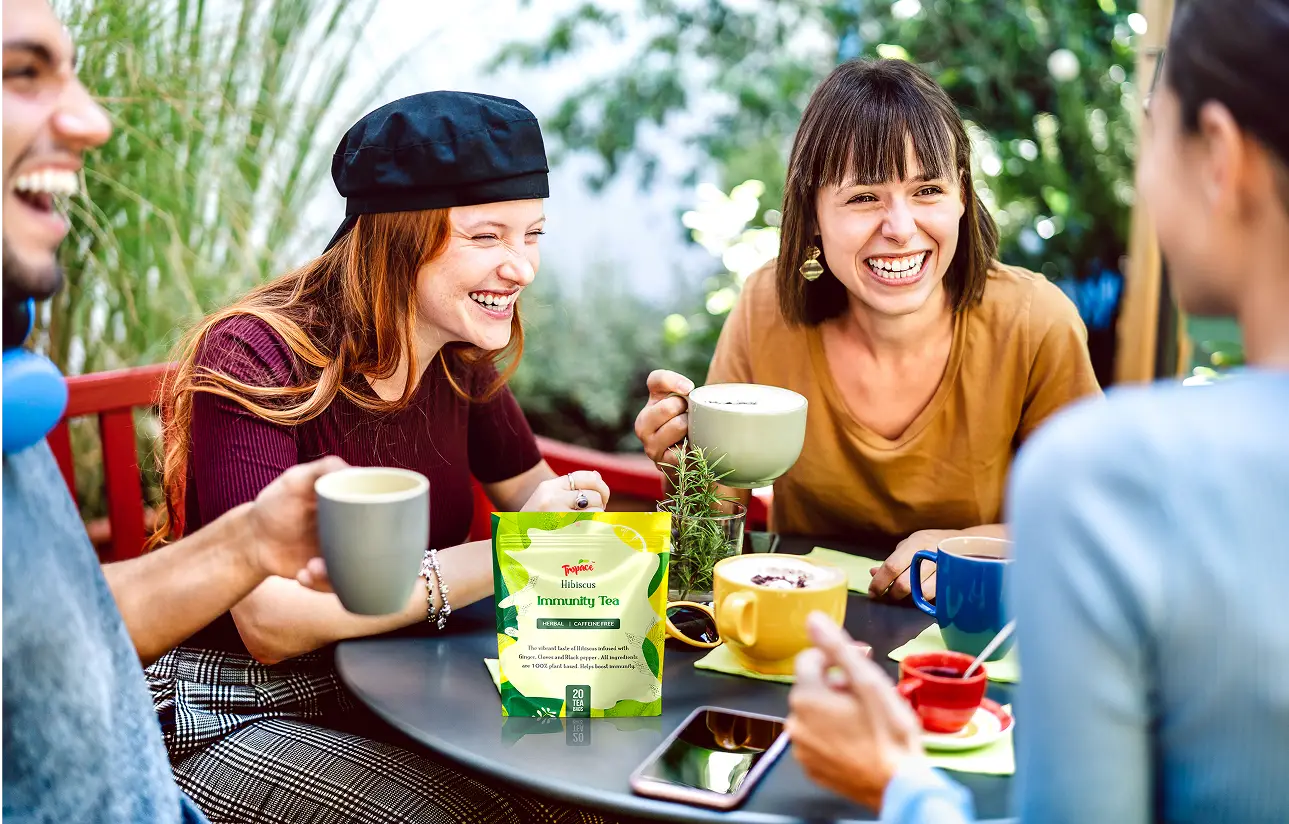
Children are explorers. From playing outside to school days filled with contact and curiosity, their growing immune systems are constantly being tested. Supporting that natural defense early with nutrient-rich, caffeine-free herbal teas can help reduce sick days and promote long-term health.
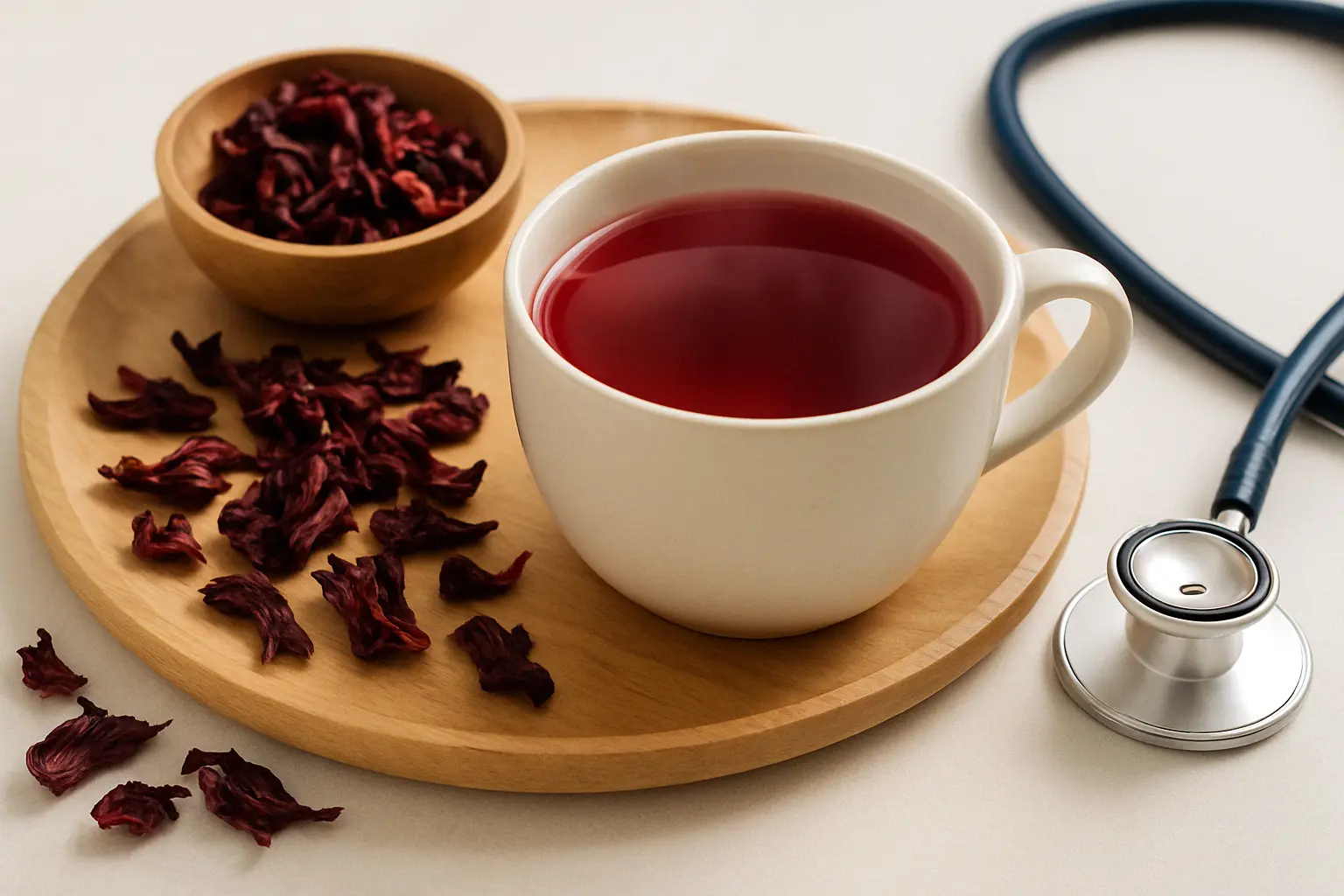
Hibiscus tea is made from the dried petals of the Hibiscus sabdariffa flower, known across West Africa as zobo. It is vibrant red, tart like cranberry, and packed with antioxidants. In many African homes, it is both a celebration drink and a healing tonic. But beyond tradition, hibiscus tea has become globally recognized for its impact on blood pressure and heart health.
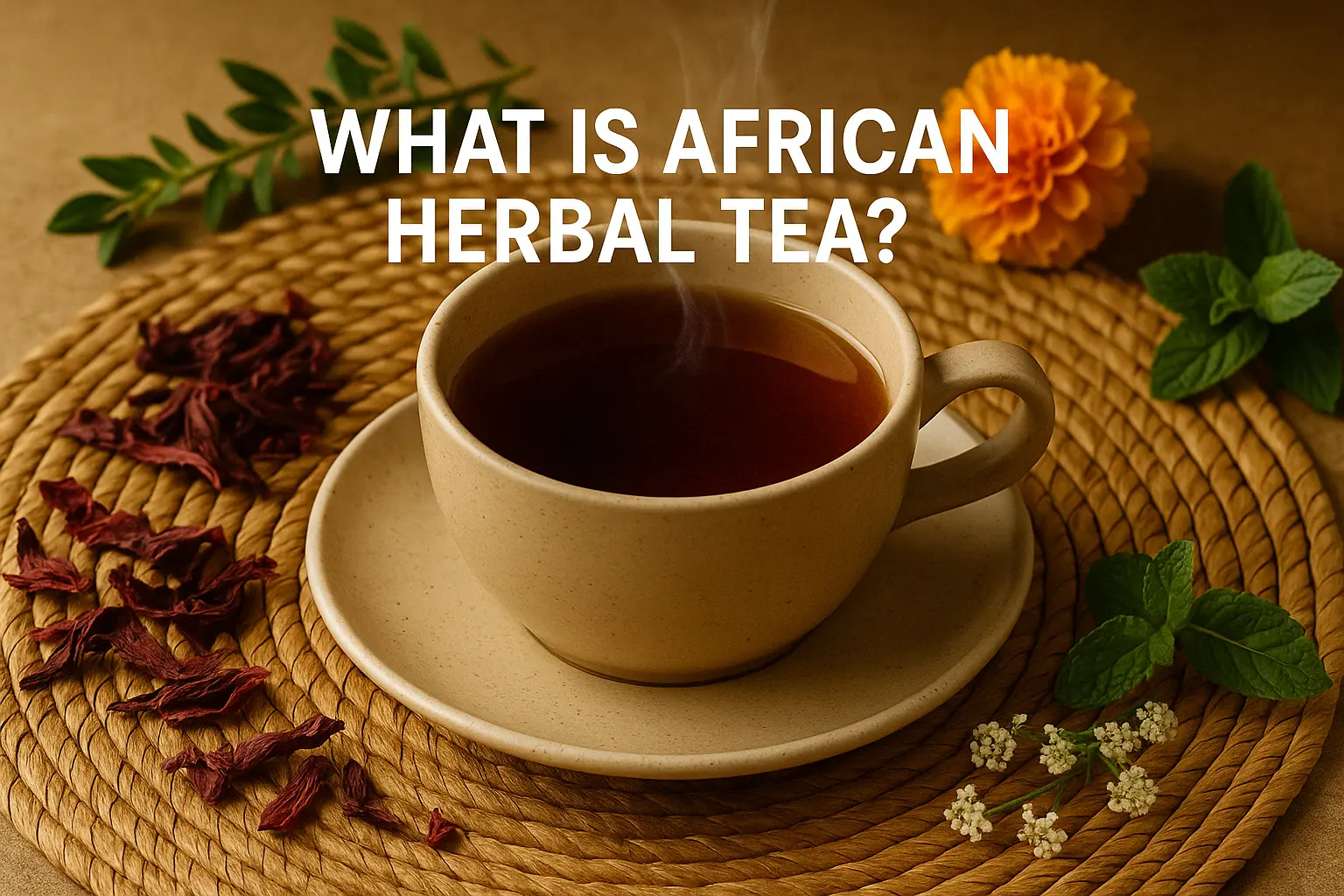
African herbal tea is more than a beverage. It is a tradition passed through generations, rooted in the soil, spirit, and science of African healing. Unlike conventional teas made from Camellia sinensis (like green or black tea), African herbal teas are made from indigenous leaves, flowers, bark, seeds, and roots with powerful wellness properties.
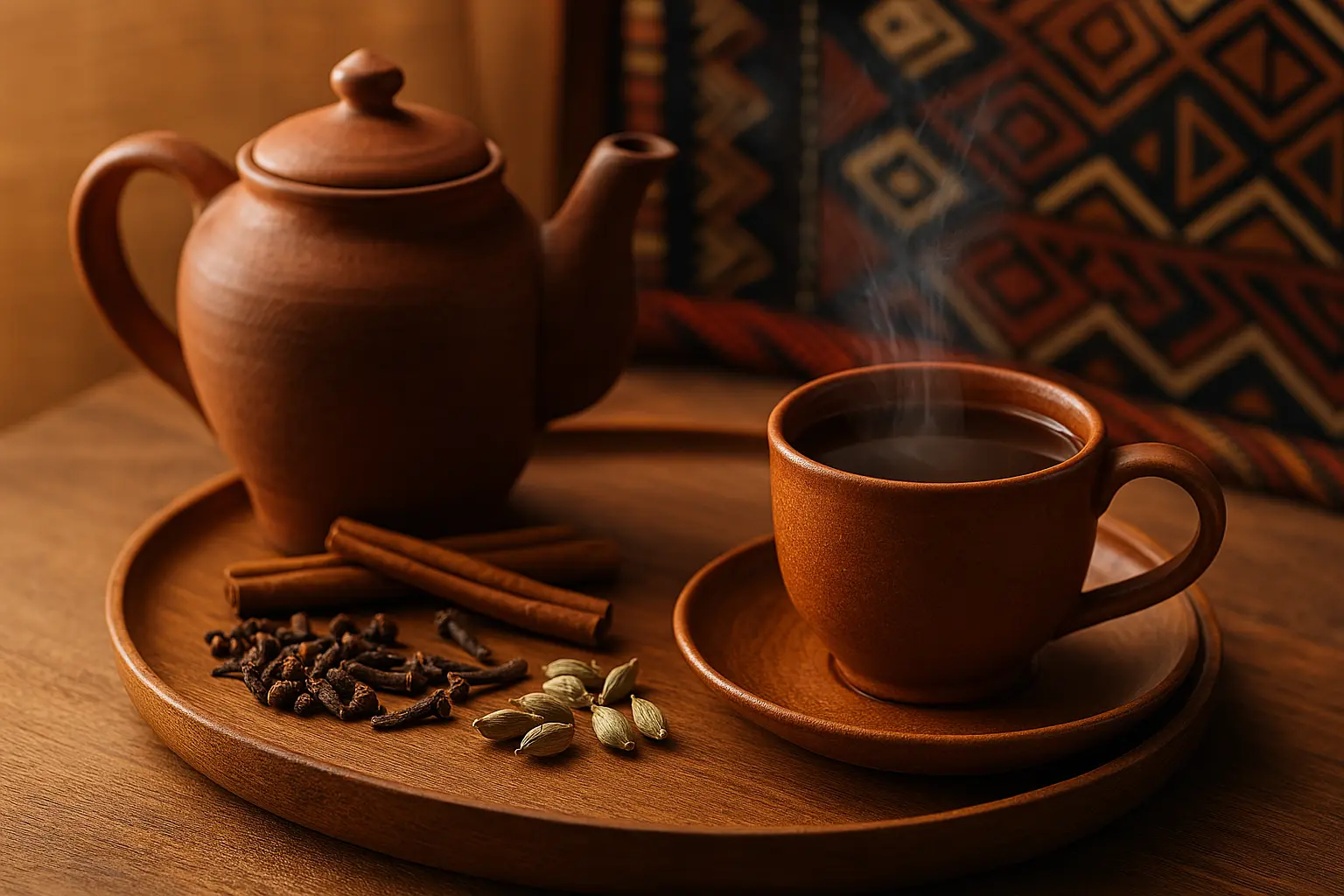
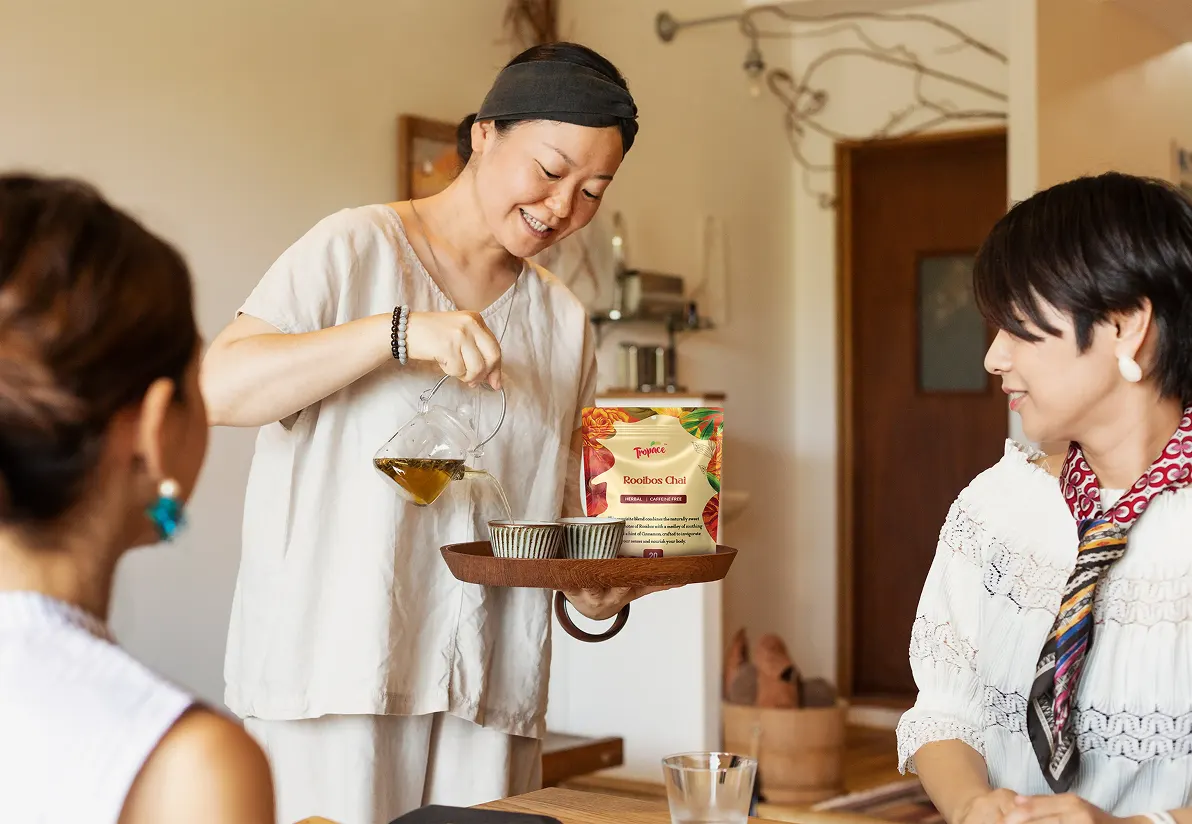
In a tea market flooded with look-alike blends and borrowed names, Rooibos Chai is having a quiet moment. But at Tropace, this moment isn’t just about flavor; it’s about representation, ritual, and a return to ancestral nourishment.
In many modern healthcare systems, the postpartum period is often reduced to a six-week checkup, a fleeting milestone that signals “back to normal.” But across African cultures, the postpartum season is seen as something profoundly different: a sacred window of healing, realignment, and community care.
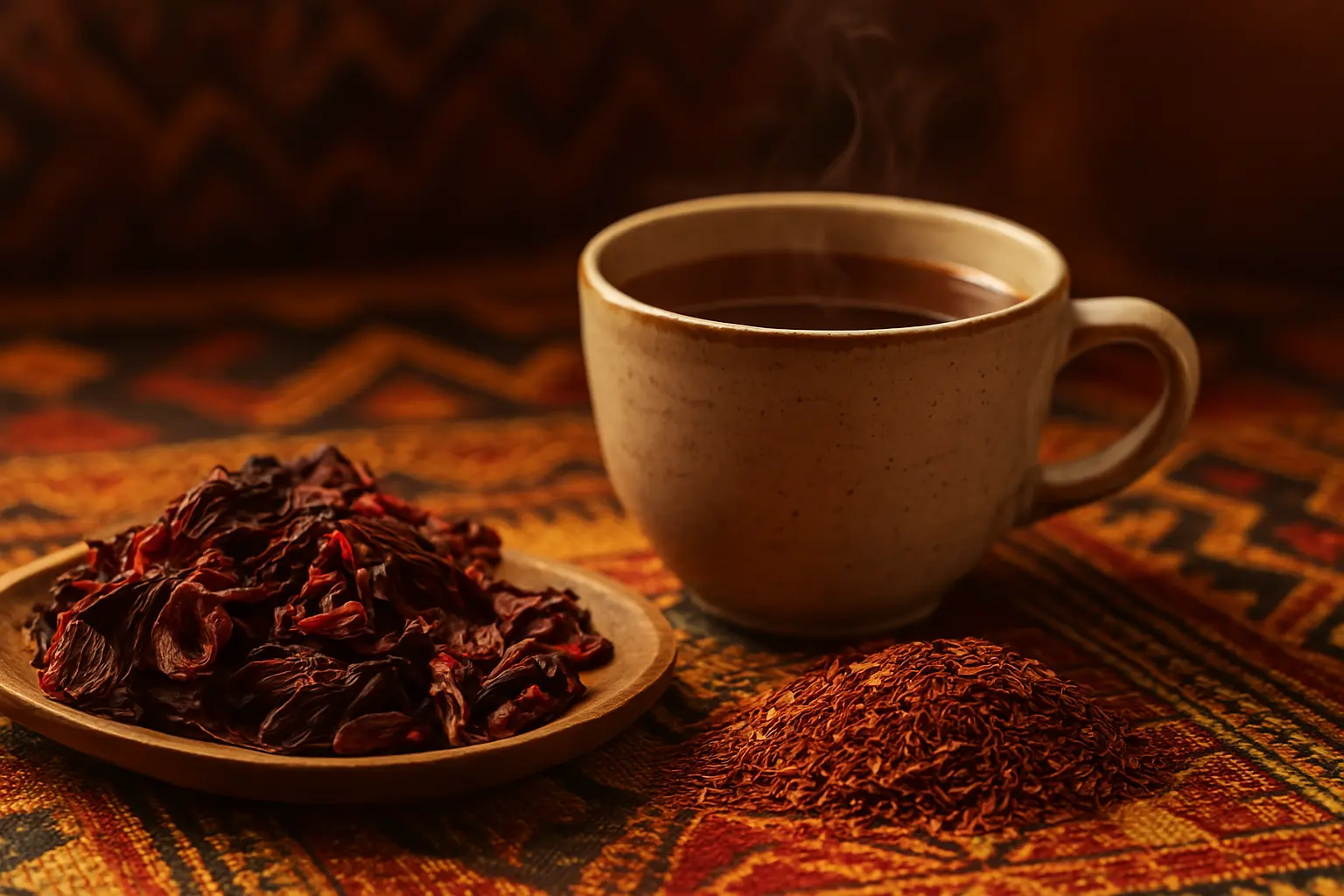
In a global market where teas are often reduced to trends and tags, there’s a quiet revolution happening one that centers culture, roots, and rituals over convenience. The term “culturally grounded” is becoming more common, but what does it truly mean when it applies to something as everyday as tea?

In an age of wellness startups and rapidly shifting health trends, it’s easy to forget that some of the most effective wellness practices were born not in labs, but in the living rooms and village circles of communities passed down through oral history.




Be the first to know when we drop new blends, wellness tips, and exclusive offers, straight from the heart of African tradition to your inbox.
Tropace Company creates delicious and natural drinks inspired by the recipes and methods passed down from our family matriarchs. We offer herbal drinks like hibiscus tea, rooibos tea, and immunity tea, all made from organic ingredients. Our passion for Afrocentrism and wellness drives us to bring you healthy, sustainable beverages that nourish both body and soul.
